Jiangsu Kaichen
Electric Power Equipment Co., Ltd.
Industrial sites rely heavily on uninterrupted power supply to maintain operations, ensure safety, and optimize productivity. From manufacturing plants to processing facilities, reliable energy is the backbone of modern industry. Generators play a crucial role in providing backup power or serving as the main power source in areas where grid electricity is unstable or unavailable. Choosing the right generator solution tailored to industrial requirements can prevent downtime, protect equipment, and ensure smooth operations.
Importance of Reliable Power in Industrial Sites
Industrial facilities operate on tight schedules and often involve sensitive machinery. Any unexpected power outage can lead to production delays, equipment damage, and financial losses. For example, continuous processes in chemical plants or data-sensitive operations in factories depend on stable electricity to maintain quality and safety standards. Therefore, a reliable power solution is not just a convenience—it is a necessity.
A well-designed generator system ensures that operations continue even during grid failures. Modern industrial generators offer automatic switching, monitoring systems, and remote control capabilities, allowing operators to manage energy efficiently. By integrating generators into industrial power infrastructure, companies can safeguard production lines, reduce operational risks, and meet stringent safety regulations.
Industrial sites require different generator types depending on their energy needs. Some of the most common solutions include:
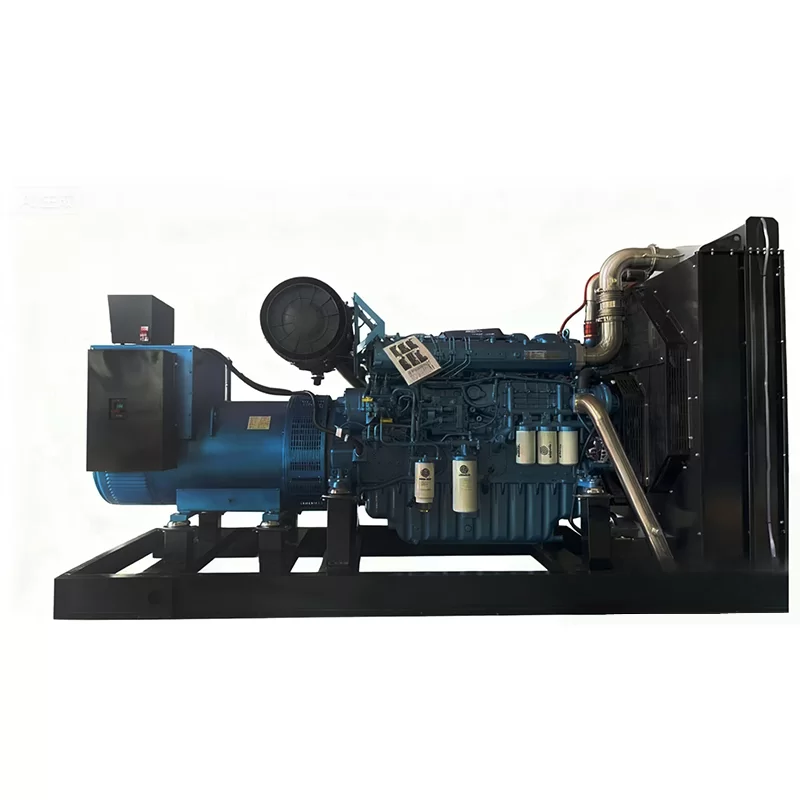
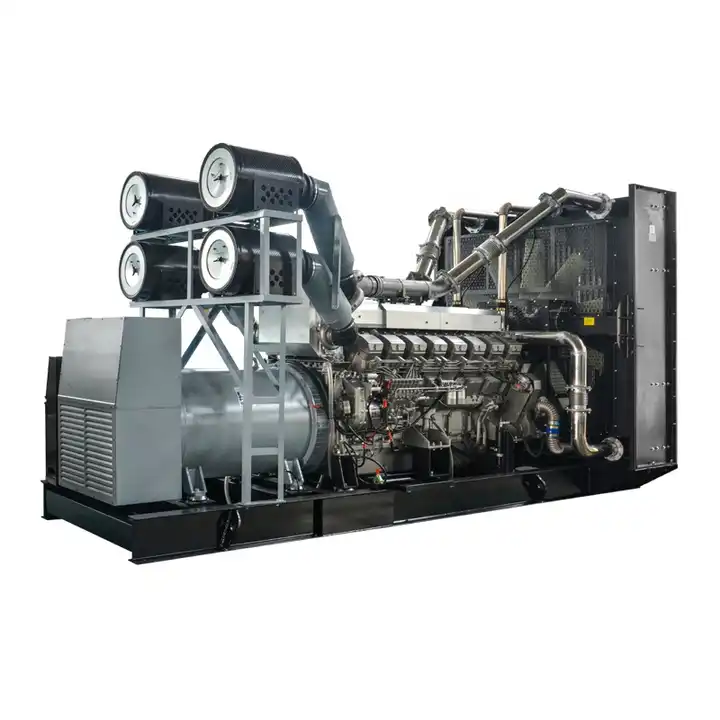
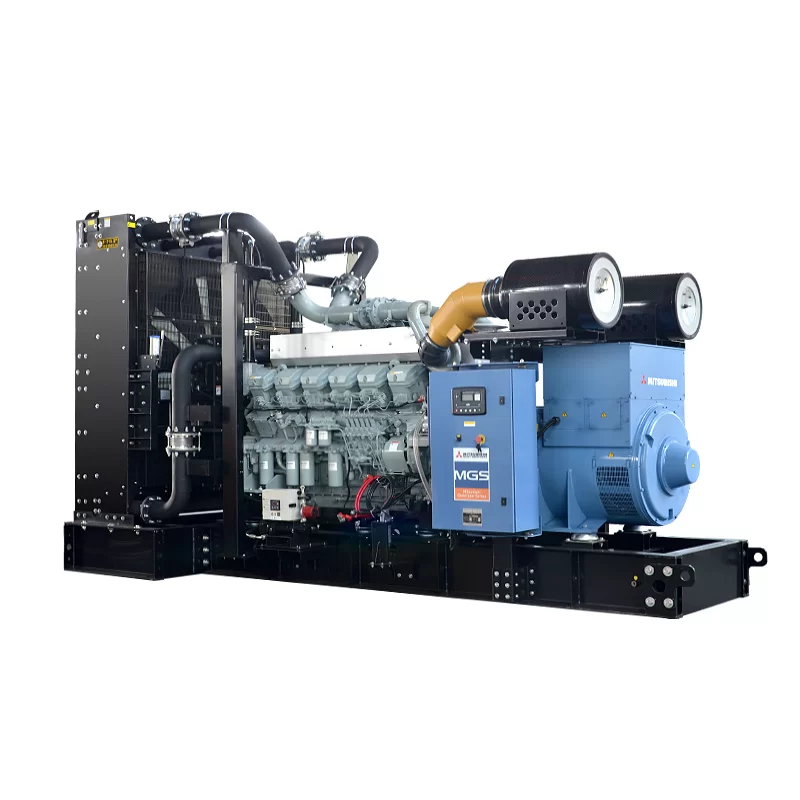
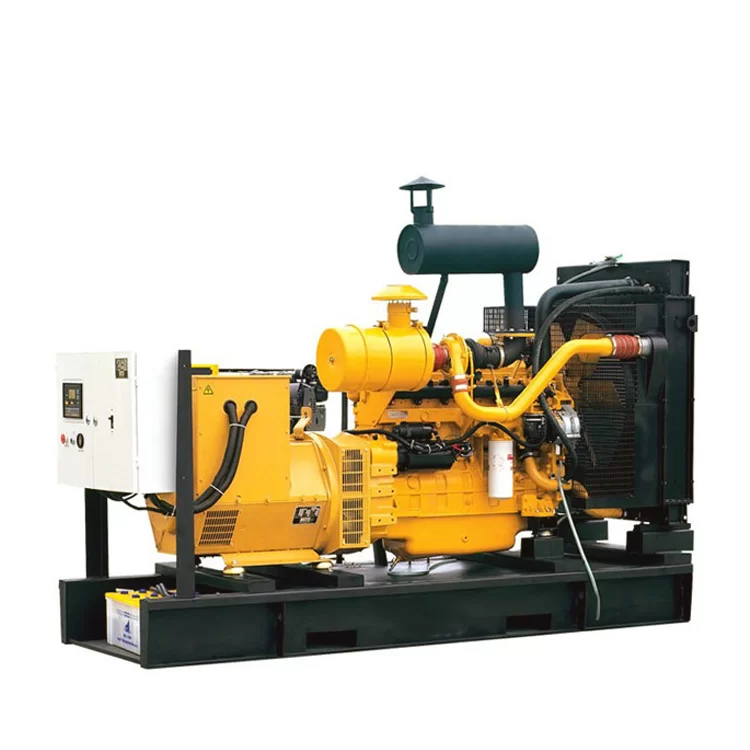
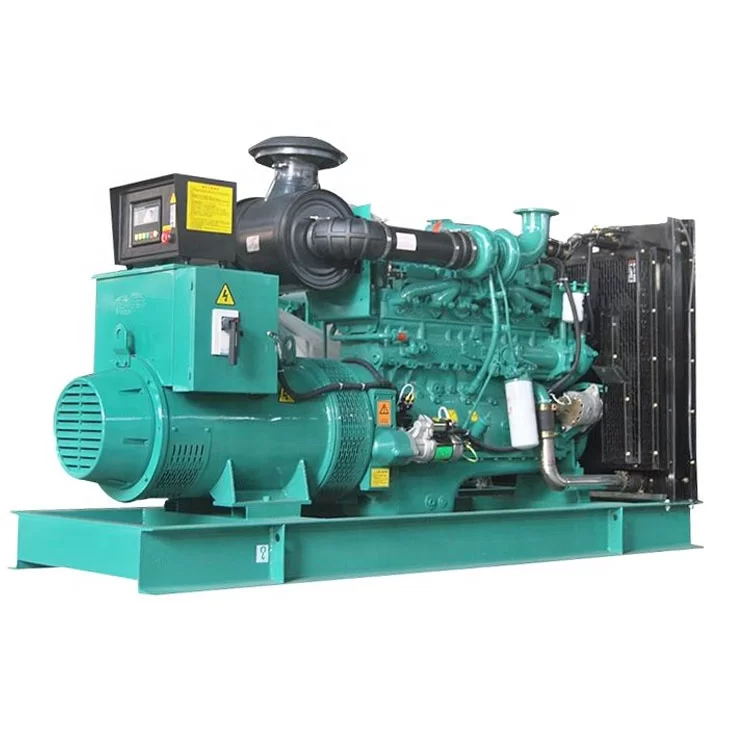
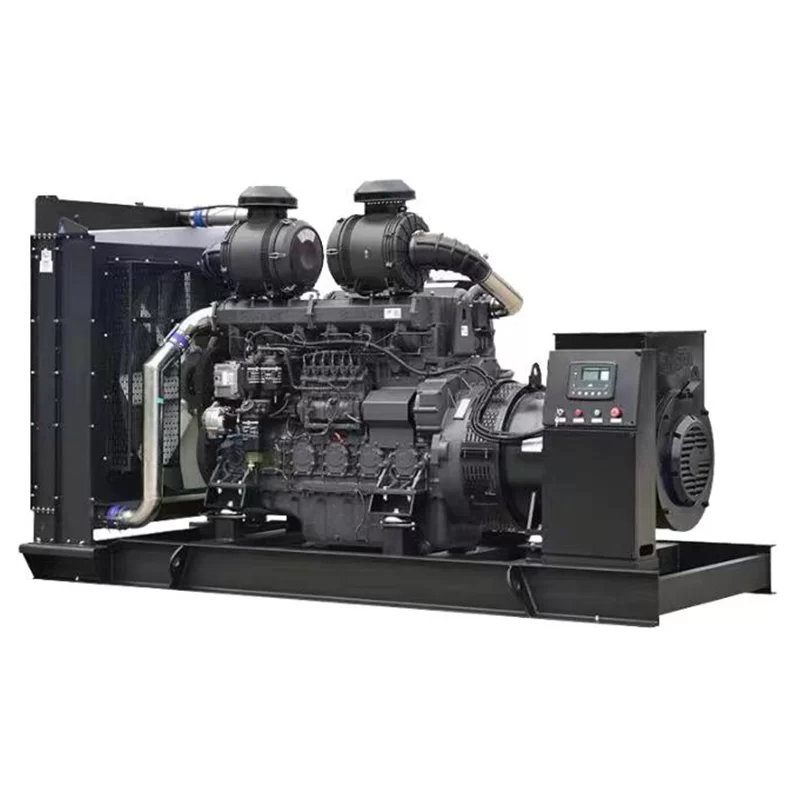
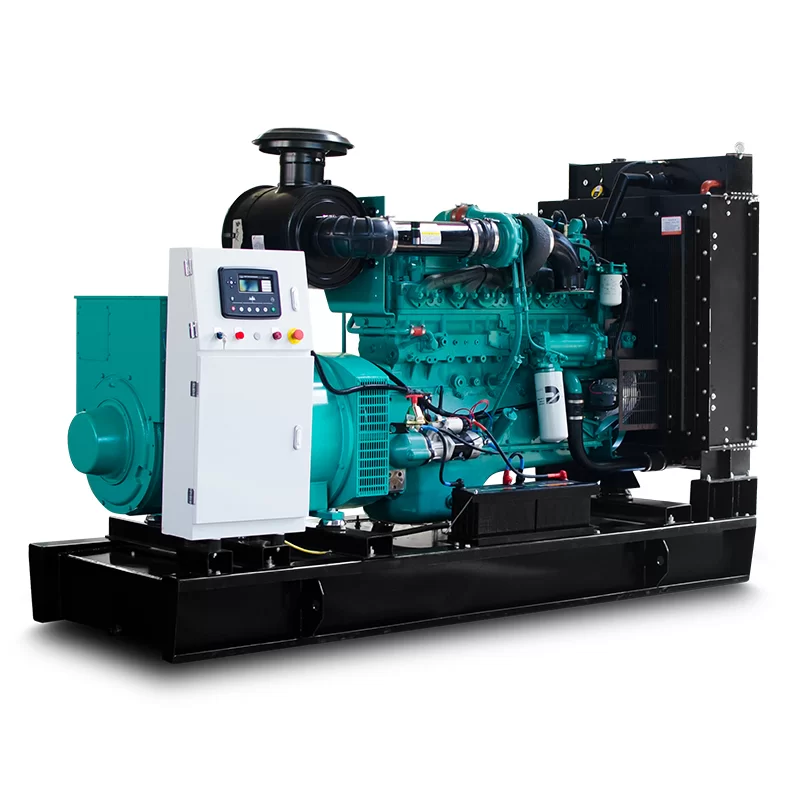
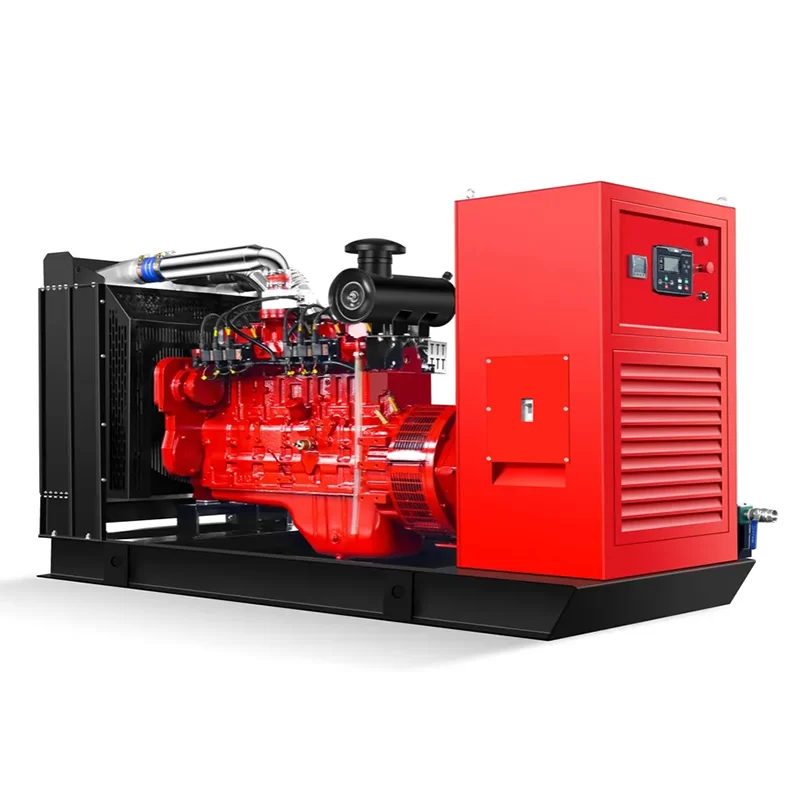
Diesel Generators: Known for durability and high power output, diesel generators are suitable for large-scale industrial facilities. They offer long running hours, fuel efficiency, and reliability under heavy loads.
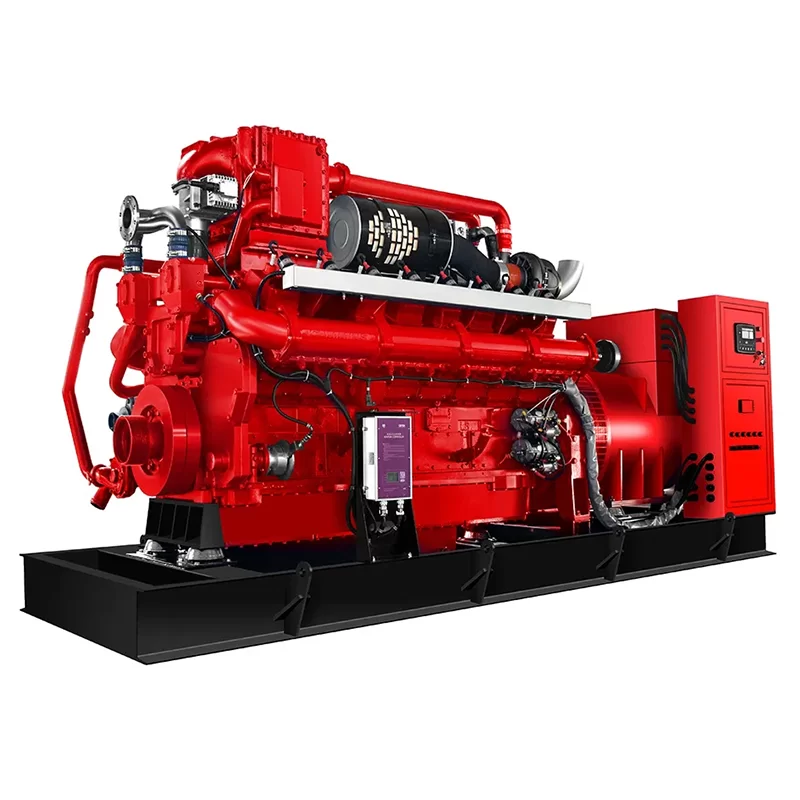
Natural Gas Generators: These generators are environmentally friendly and produce lower emissions compared to diesel models. They are ideal for sites that prioritize sustainability and quieter operation.
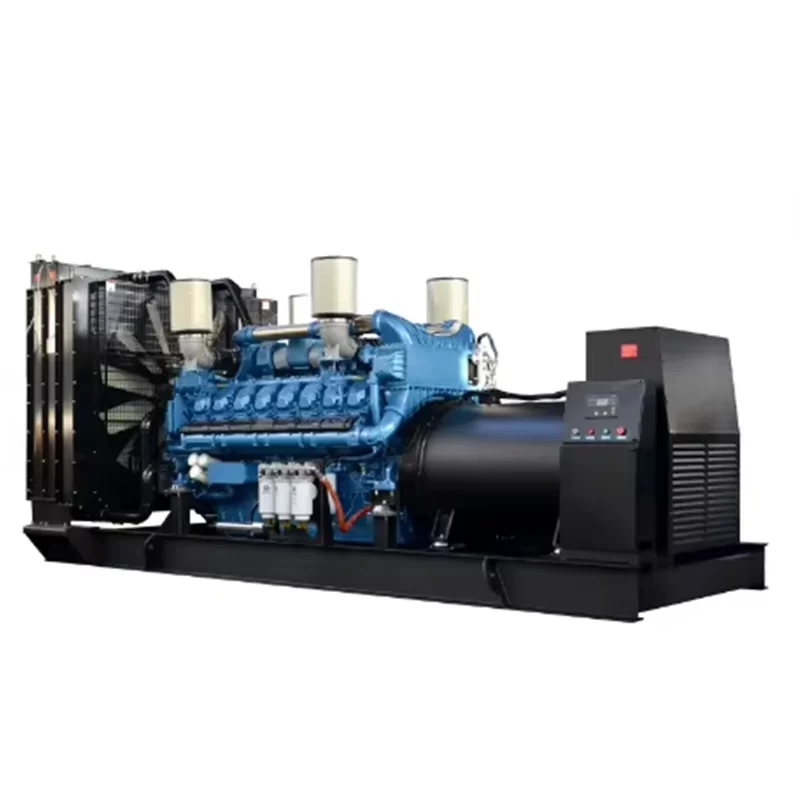
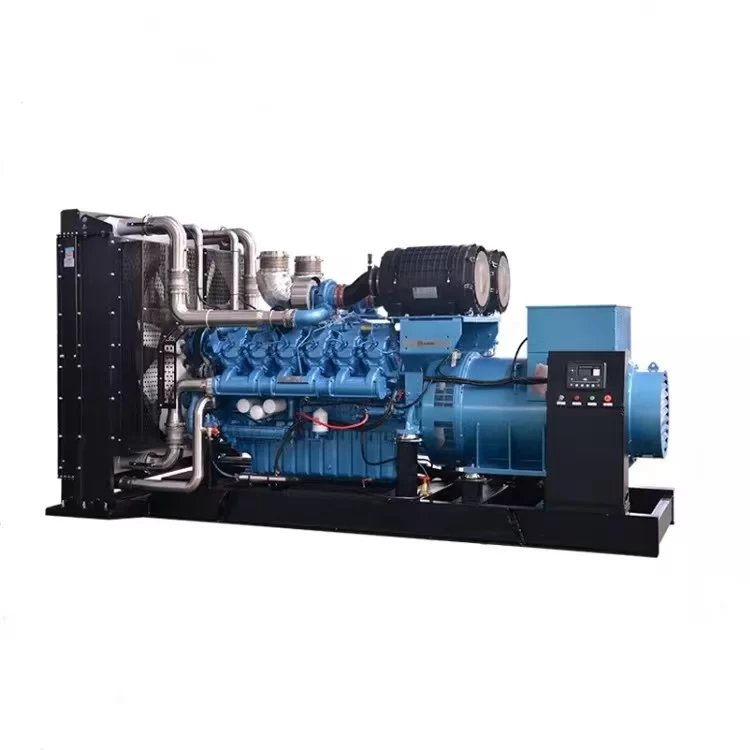
High Voltage Generators: For industries that require large-scale energy, high voltage generators provide stable and consistent power output to support heavy machinery and large operations.
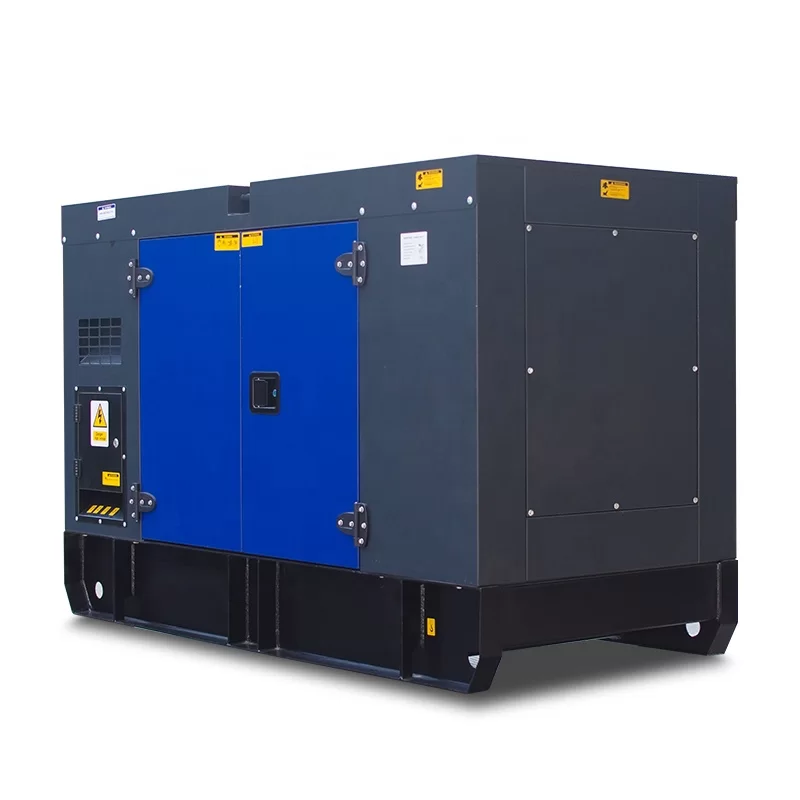
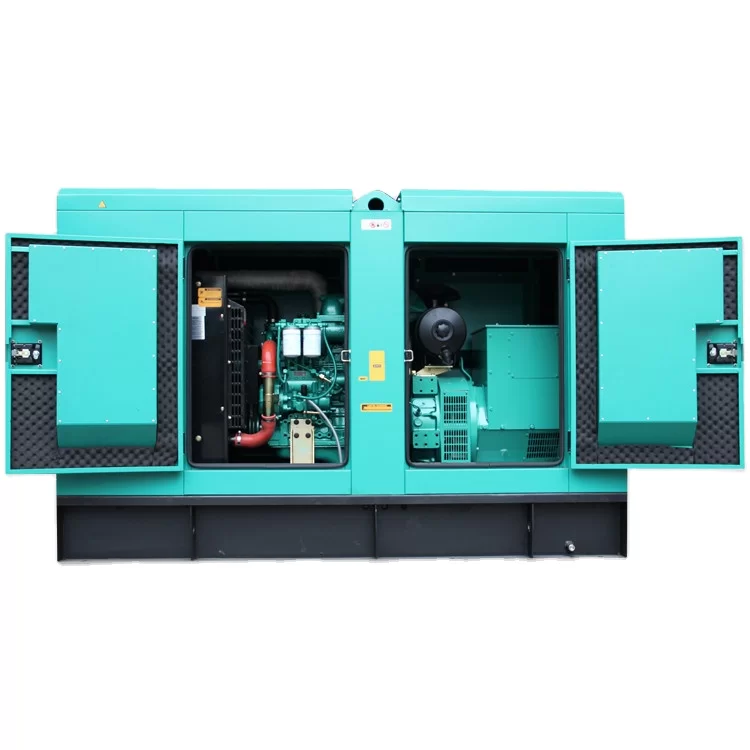
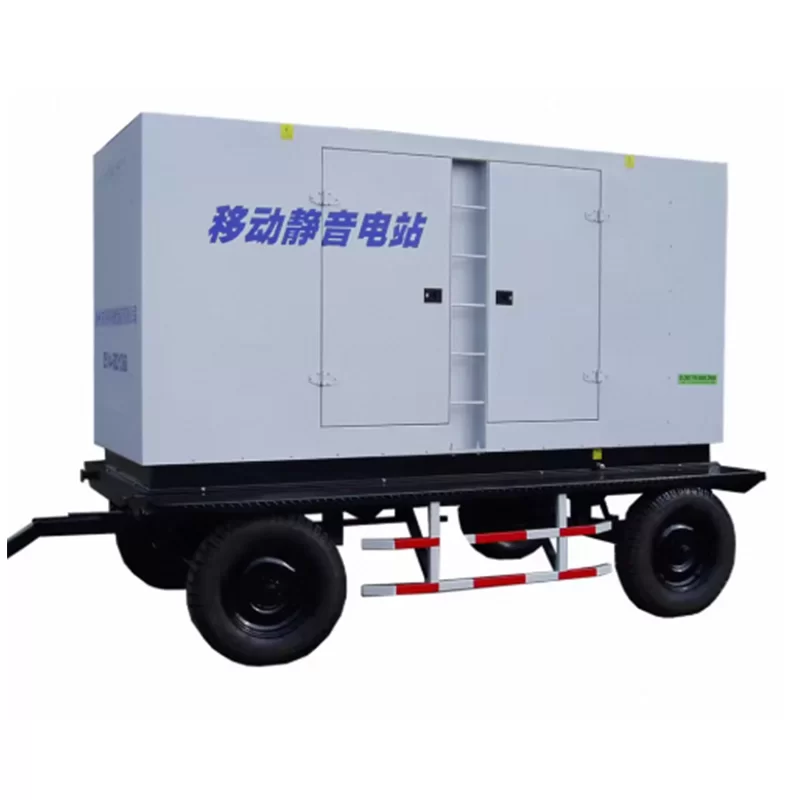
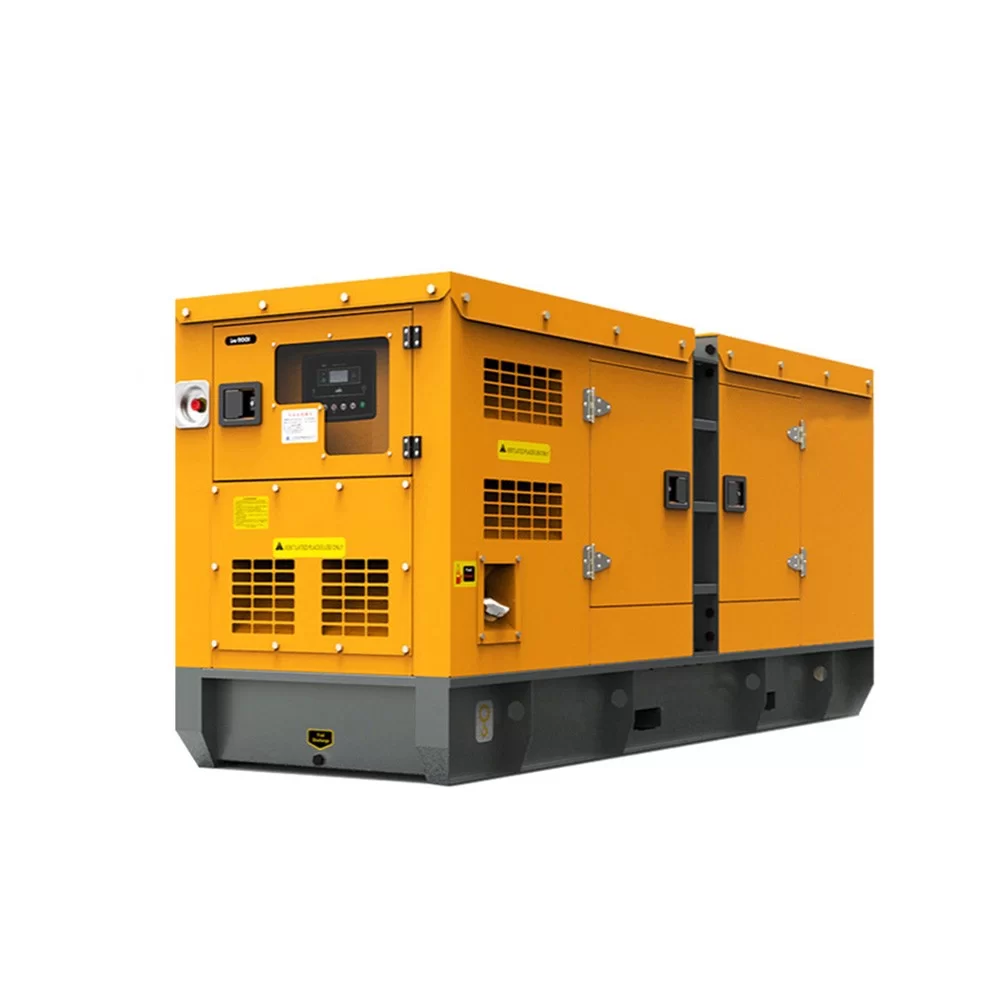
Portable and Silent Generators: These are suitable for temporary setups, outdoor sites, or locations with space constraints. Their compact design allows flexibility without compromising reliability.
Each generator type can be customized to meet specific industrial requirements, ensuring that energy supply aligns with production demands.
When selecting generators for industrial sites, several key features ensure reliability and efficiency:
Stable Power Output: Industrial generators maintain consistent voltage and frequency, preventing damage to sensitive equipment.
Durability and Longevity: Heavy-duty components and robust construction allow generators to operate continuously under demanding conditions.
Fuel Efficiency: Optimized engines reduce fuel consumption, lowering operational costs.
Automatic Transfer Switch (ATS): Enables seamless power transition from the main grid to backup generators during outages.
Remote Monitoring: Advanced control systems allow operators to track performance, fuel levels, and maintenance needs in real-time.
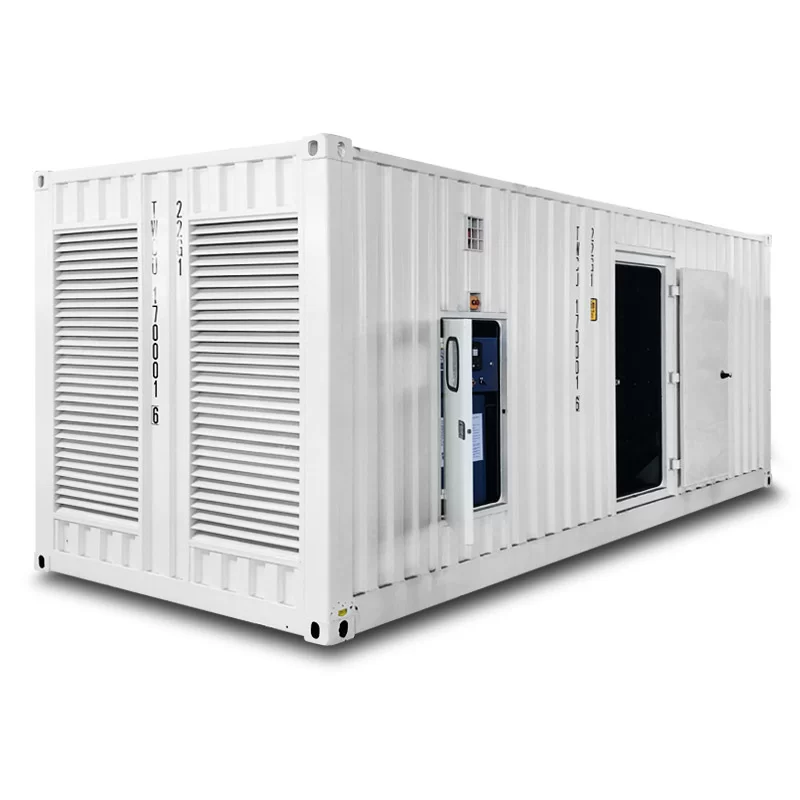
Noise Reduction: Silent models reduce operational noise, ensuring compliance with environmental regulations and improving workplace comfort.
By combining these features, industrial sites can achieve a reliable power infrastructure that minimizes downtime and maximizes operational efficiency.
Applications in Different Industrial Sectors
Reliable generator solutions are essential across a variety of industries:
Manufacturing Plants: Continuous production processes require uninterrupted power to maintain quality control and prevent costly shutdowns.
Data Centers and IT Facilities: Sensitive servers and data storage systems depend on stable energy to avoid data loss or service interruptions.
Construction Sites: Portable generators provide flexible and reliable power for equipment in remote or temporary locations.
Hospitals and Healthcare Facilities: Life-saving equipment requires consistent energy to ensure patient safety during outages.
Chemical and Petrochemical Plants: Stable electricity is critical to maintain process stability and safety compliance.
Each application demonstrates how essential reliable power solutions are to maintaining safety, productivity, and operational continuity.
Investing in high-quality generators for industrial sites offers several advantages:
Operational Continuity: Prevents costly downtime and keeps production lines running smoothly.
Equipment Protection: Maintains stable voltage, reducing the risk of equipment damage.
Cost Efficiency: Modern generators are fuel-efficient and reduce energy expenses over time.
Safety Compliance: Ensures industrial processes meet regulatory standards and protect staff.
Environmental Responsibility: Options like natural gas generators minimize emissions and promote sustainability.
By prioritizing reliable power, industries can safeguard their investments, enhance productivity, and reduce risks associated with electrical failures.
Selecting a trustworthy generator supplier is as important as the generator itself. Leading suppliers offer:
Tailored solutions based on site-specific energy requirements
Professional installation and maintenance services
Long-term technical support and training
High-quality, certified equipment that meets international standards
Partnering with an experienced supplier ensures that industrial sites receive generators that are reliable, efficient, and compliant with safety standards.
Conclusion
Reliable power solutions are the backbone of every industrial site. From diesel and natural gas generators to high voltage and portable options, having a dependable energy source ensures operational continuity, safety, and efficiency. Industrial facilities that invest in robust generator systems can prevent downtime, protect sensitive equipment, and enhance productivity. By choosing the right generator type and supplier, industries can achieve a sustainable, efficient, and reliable power infrastructure for long-term success.