Jiangsu Kaichen
Electric Power Equipment Co., Ltd.
Reliable power supply is essential for homes, businesses, and industrial operations. Whether it is ensuring uninterrupted operations in manufacturing plants, supporting critical healthcare equipment, or maintaining comfort in residential areas, the performance of a generator depends heavily on its engine design. Recent innovations in generator engine technology have significantly enhanced generator reliability, efficiency, and longevity, making them more adaptable and cost-effective for diverse applications.
The Importance of Engine Design in Generators
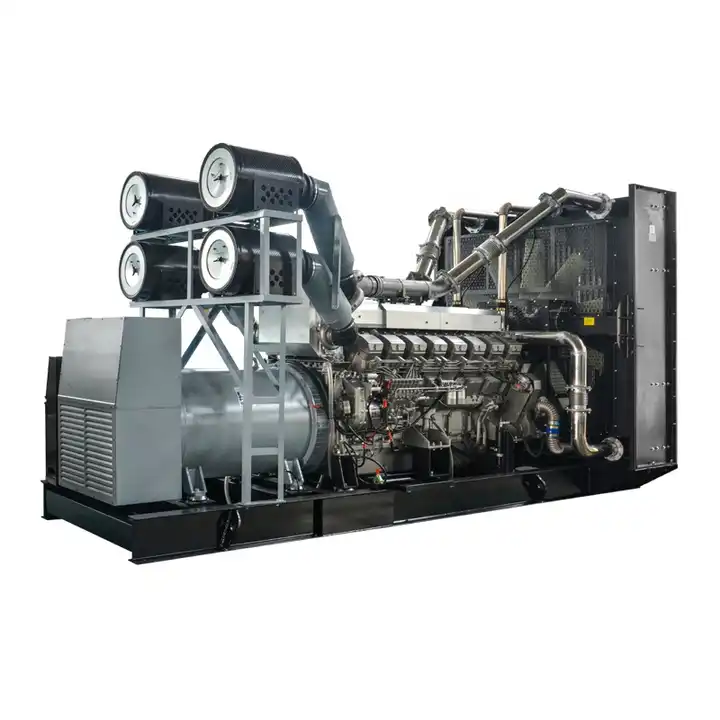
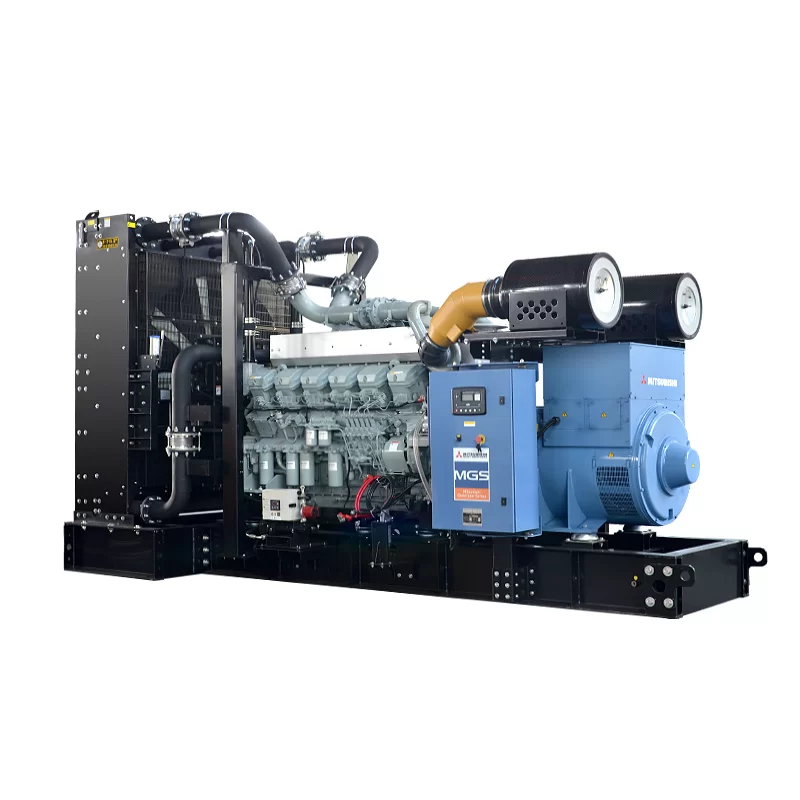
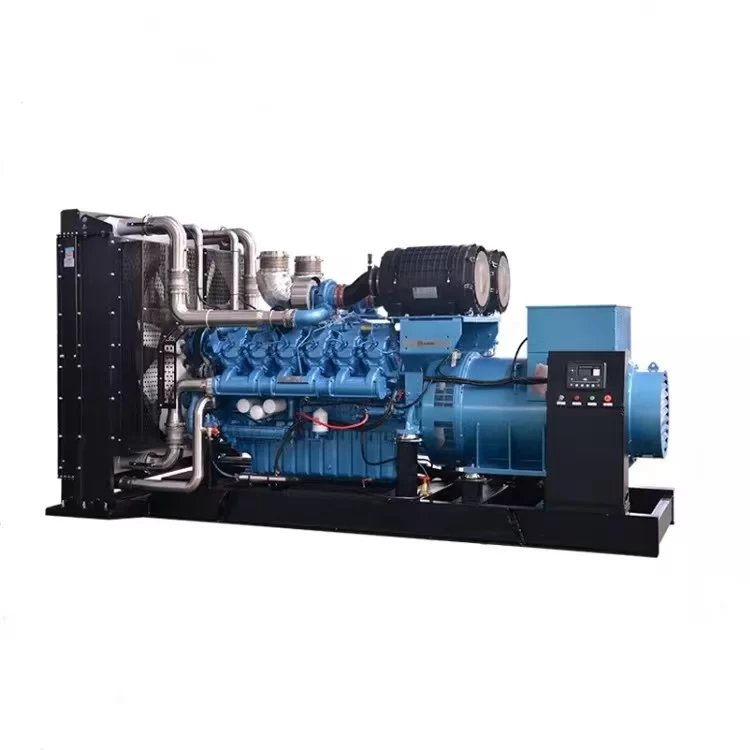
At the heart of every generator lies its engine. The engine converts fuel into mechanical energy, which is then transformed into electricity. A poorly designed engine can lead to frequent breakdowns, high maintenance costs, and inefficient fuel consumption. Conversely, innovative engine designs improve durability, reduce fuel usage, and maintain stable performance under varying load conditions.
Engine reliability is particularly critical in environments where power interruptions can have serious consequences. Hospitals, data centers, industrial facilities, and commercial establishments cannot afford downtime. Modern engine innovations address these challenges, ensuring that generators operate efficiently and consistently, even under demanding conditions.
Key Innovations in Generator Engines
Several technological advancements are driving improvements in generator engine performance:
High-Efficiency Combustion Systems: Optimized fuel injection and combustion processes increase energy output while reducing fuel consumption and emissions.
Turbocharging and Intercooling: These features enhance engine power density and efficiency, enabling generators to deliver more energy in a smaller footprint.
Advanced Cooling Systems: Improved thermal management prevents overheating, extending engine life and maintaining consistent performance.
Vibration and Noise Reduction: Modern designs reduce engine vibrations and noise, making generators suitable for residential and urban environments.
Digital Engine Management: Smart control systems monitor performance, fuel usage, and maintenance needs, allowing predictive maintenance and minimizing downtime.
These innovations collectively enhance reliability, ensuring that generators deliver uninterrupted power with lower operational costs and minimal environmental impact.
Applications Across Industries
Innovative engine designs have broad applications across residential, commercial, and industrial sectors:
Industrial Plants: Factories and processing facilities require generators with stable output and durability to maintain continuous operations. Advanced engine designs reduce breakdowns and improve efficiency.
Commercial Buildings: Offices, hotels, and retail stores benefit from generators that operate quietly, reliably, and efficiently, ensuring customer comfort and uninterrupted service.
Healthcare Facilities: Hospitals and clinics rely on generators with dependable engines to power critical medical equipment during outages, safeguarding patient care.
Data Centers: Continuous electricity is vital for IT infrastructure. High-performance engines ensure servers remain operational, preventing data loss and operational interruptions.
Residential Use: Homes in areas prone to power outages gain peace of mind from generators with fuel-efficient, low-noise engines that provide uninterrupted energy.
Across these applications, engine innovations contribute to both performance and user confidence, making generators more reliable and easier to manage.
Advantages of Innovative Engine Designs
Generators with advanced engine designs provide numerous benefits:
Enhanced Reliability: Durable components and optimized performance reduce the risk of breakdowns and extend operational life.
Improved Fuel Efficiency: Innovations reduce fuel consumption, lowering operating costs and environmental impact.
Lower Maintenance Requirements: Predictive maintenance and robust engineering minimize downtime and service needs.
Stable Power Output: Optimized engines maintain consistent voltage and frequency, protecting sensitive equipment from damage.
Environmental Compliance: Reduced emissions and advanced combustion systems help generators meet stringent environmental standards.
These advantages make innovative engines a cornerstone of modern generator technology, ensuring that power supply remains uninterrupted, efficient, and sustainable.
Market Trends Driving Engine Innovation
The global generator market is increasingly driven by demand for efficiency, sustainability, and reliability. Key trends include:
Environmental Regulations: Stricter emission standards push manufacturers to develop cleaner, more efficient engines.
Technological Advancements: Improved materials, precision engineering, and digital monitoring systems enhance engine performance and reliability.
Urbanization: Generators installed in residential and commercial urban areas require low-noise, compact, and efficient engines.
Industrial Expansion: Growing industrial activities demand high-performance engines capable of handling heavy loads for extended periods.
As a result, manufacturers are continuously innovating engine designs to meet evolving energy needs and environmental challenges.
Case Studies Demonstrating Improved Reliability
Several examples highlight the impact of innovative engine designs on generator reliability:
A hospital in Germany upgraded its backup generators with engines featuring advanced combustion and cooling systems, reducing fuel consumption by 25% while ensuring continuous power during outages.
An industrial plant in the United States implemented generators with turbocharged engines and digital monitoring, minimizing downtime and extending maintenance intervals.
A residential community in Singapore installed low-noise, fuel-efficient generators with vibration-reducing engines, ensuring uninterrupted energy supply without disturbing the neighborhood.
These cases demonstrate how modern engine innovations enhance reliability, efficiency, and user satisfaction across various sectors.
Future Outlook
The future of generator technology is closely tied to ongoing engine innovation. Trends such as hybrid power systems, integration with renewable energy sources, and smart engine management will further improve reliability and efficiency. Generators will continue to evolve, offering higher performance, lower emissions, and better adaptability to complex and dynamic energy demands.
For industries, businesses, and households, investing in generators with innovative engines ensures that energy needs are met reliably, sustainably, and cost-effectively.
Conclusion
Innovative engine designs are transforming generator reliability, efficiency, and usability. From advanced combustion systems to digital monitoring and noise reduction, these engines ensure uninterrupted power for industrial, commercial, and residential applications.
By adopting generators with state-of-the-art engine technologies, users can minimize downtime, optimize fuel usage, reduce maintenance costs, and achieve environmental compliance. As energy demands continue to grow and operational reliability becomes increasingly critical, generators with innovative engine designs are becoming essential solutions for modern power needs.
With continued innovation, these engines will play a pivotal role in providing reliable, efficient, and sustainable electricity, ensuring that homes, businesses, and industrial projects maintain continuous power in an increasingly energy-dependent world.