Jiangsu Kaichen
Electric Power Equipment Co., Ltd.
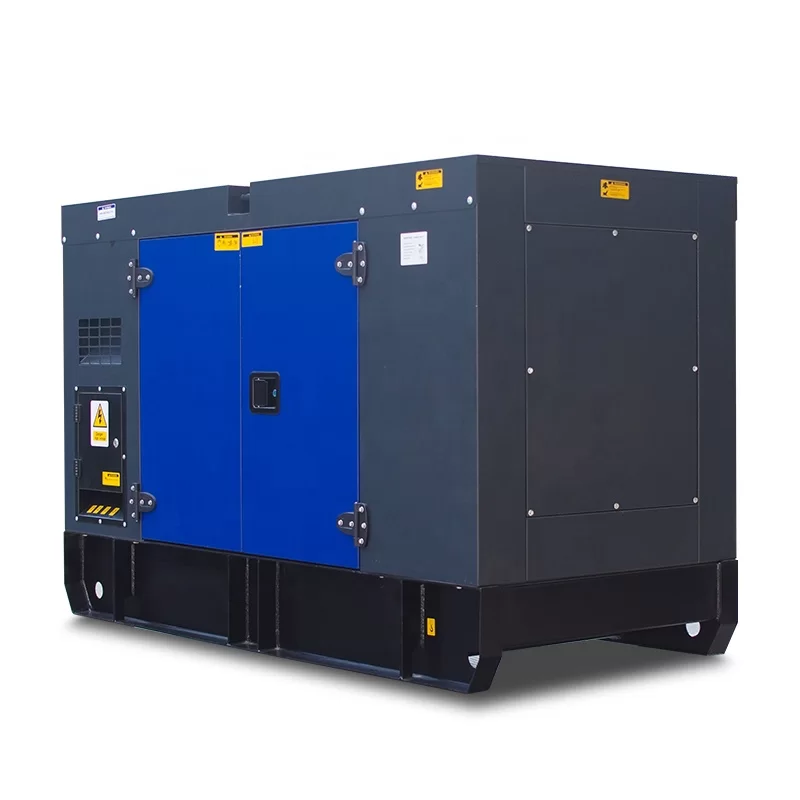
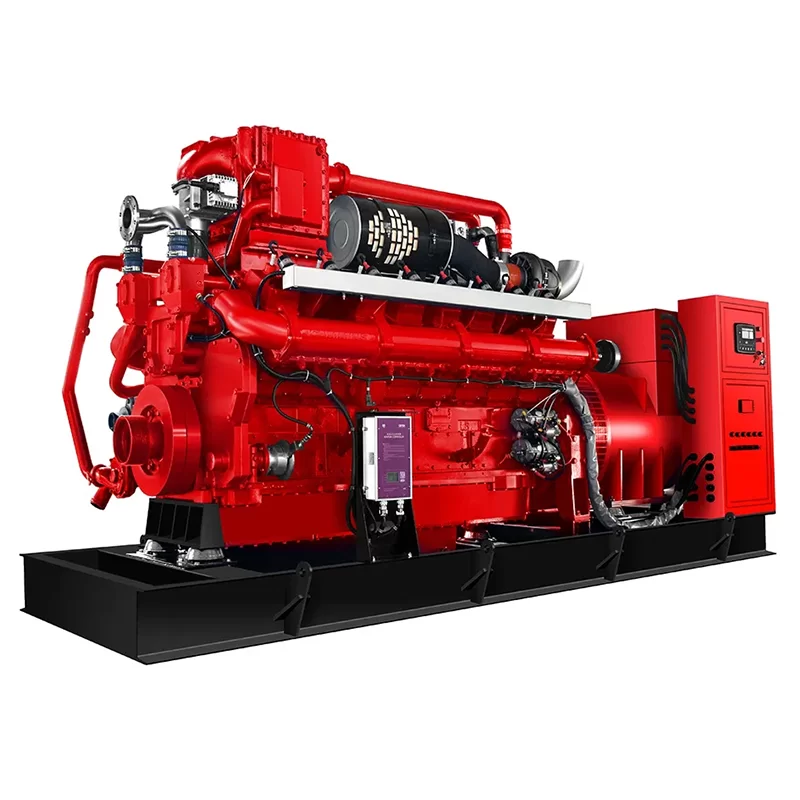
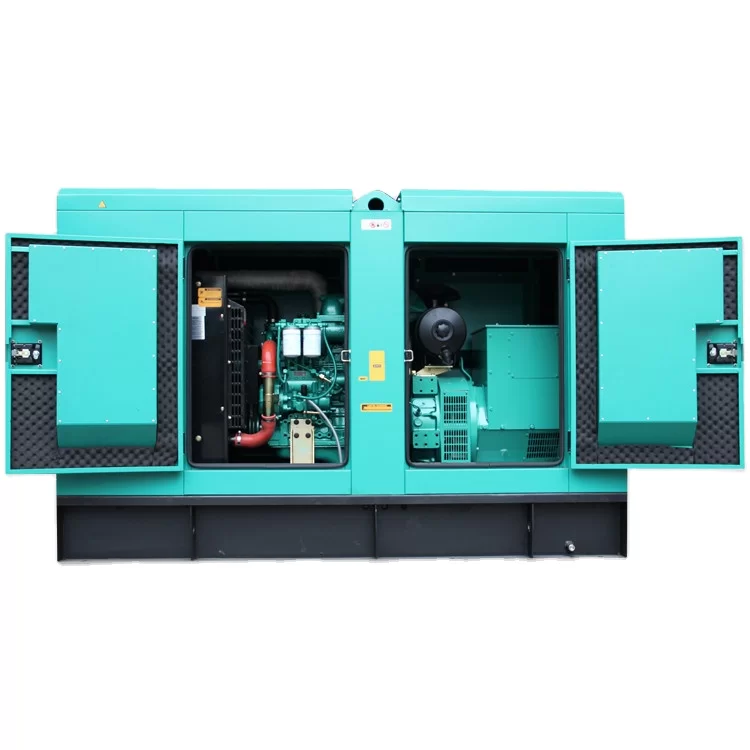
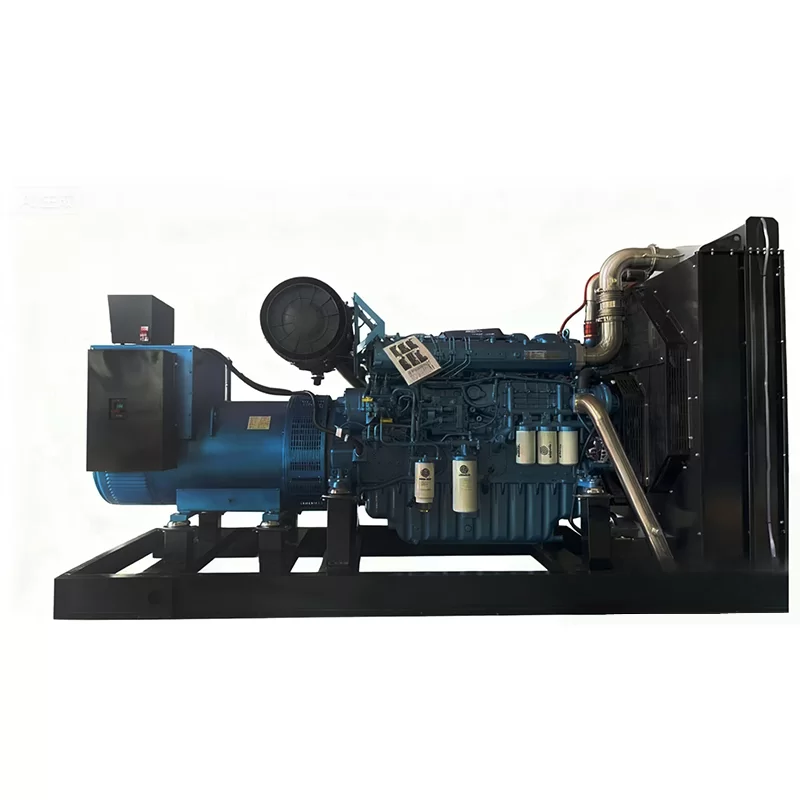
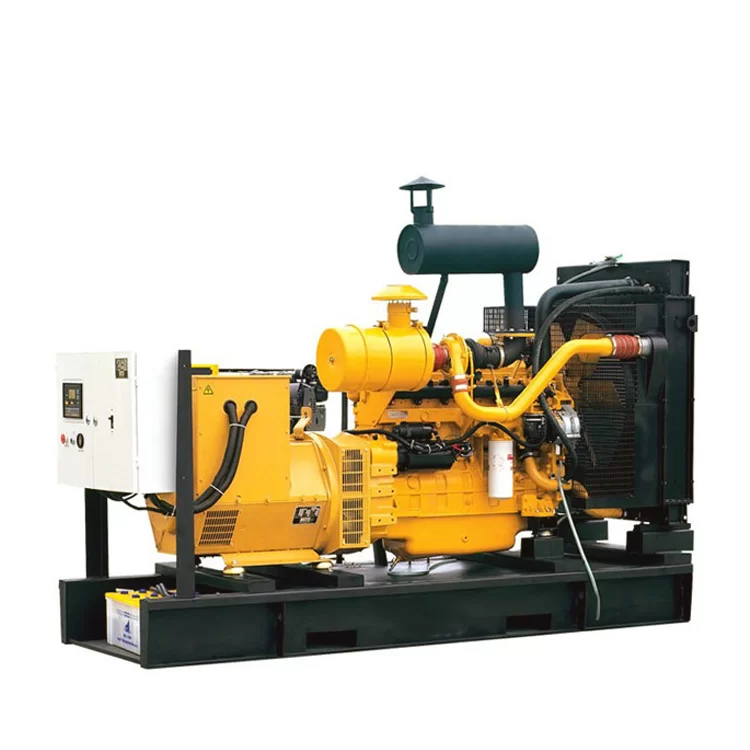
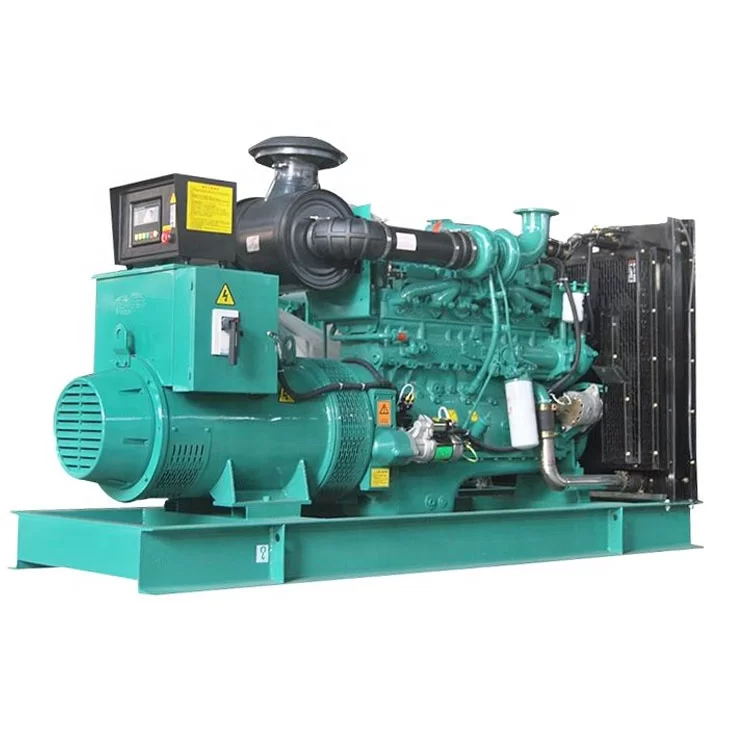
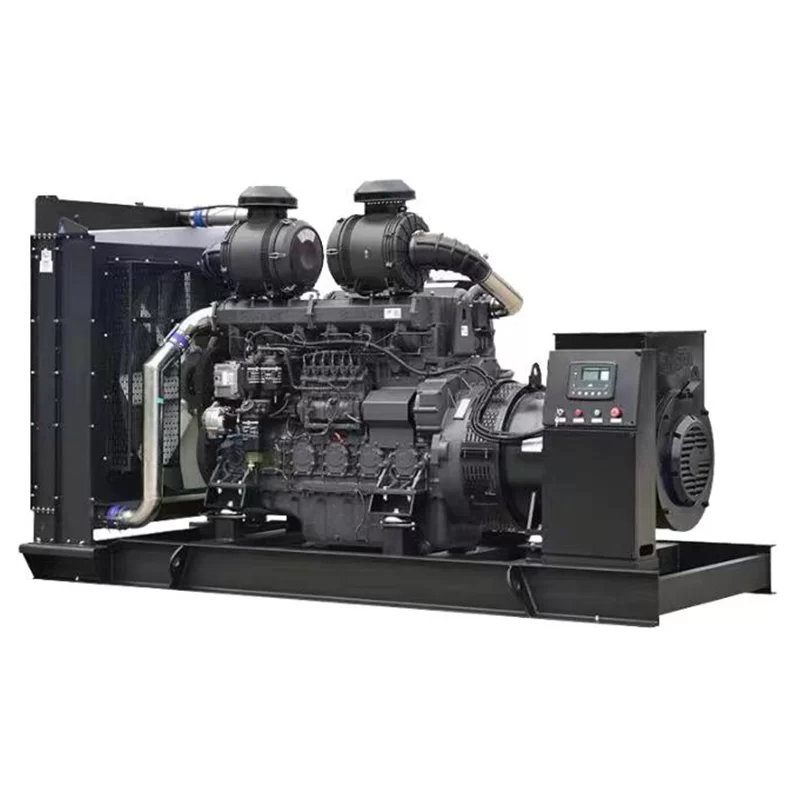
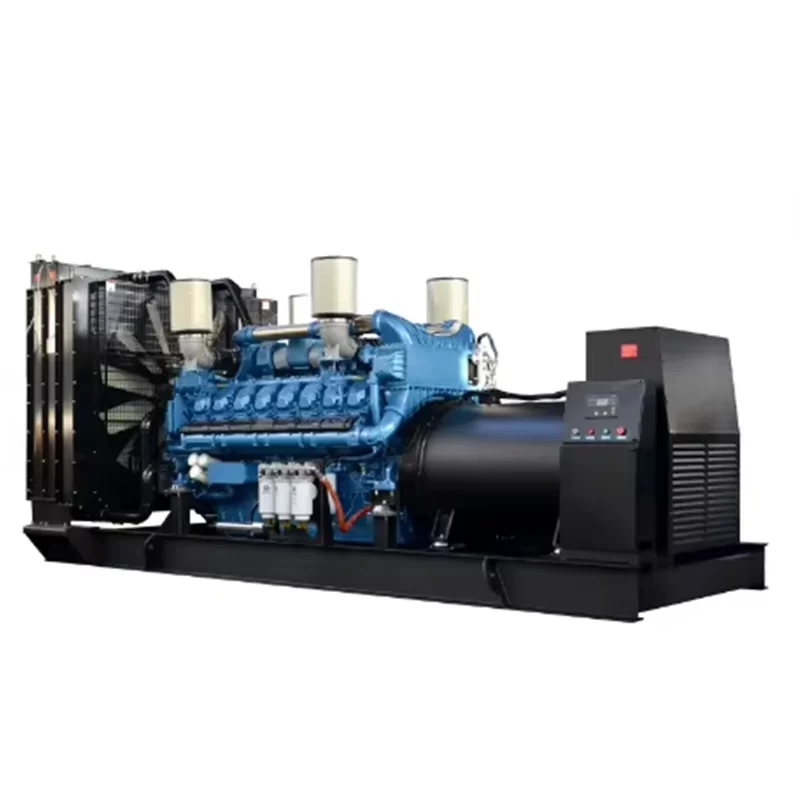
In recent years, natural gas generators have seen a significant rise in popularity as businesses and households increasingly seek cleaner and more sustainable energy solutions. With growing concerns over carbon emissions, fuel costs, and environmental regulations, natural gas generators are emerging as a preferred alternative to traditional diesel and gasoline-powered systems. These generators combine efficiency, reliability, and reduced environmental impact, making them an attractive choice for residential, commercial, and industrial applications.
Rising Demand for Eco-Friendly Power Solutions
The global energy landscape is shifting toward cleaner fuels, and natural gas has become a cornerstone of this transition. Unlike diesel or gasoline, natural gas produces lower carbon dioxide (CO₂), nitrogen oxide (NOx), and particulate emissions, helping reduce air pollution and meet increasingly strict environmental standards. This has led to widespread adoption of natural gas generators in countries with stringent environmental regulations, such as the United States, European nations, and parts of Asia.
For businesses, adopting eco-friendly generators is not only a matter of corporate responsibility but also a strategic financial decision. Many regions offer tax incentives, rebates, or subsidies for companies that invest in cleaner energy solutions, making natural gas generators more cost-effective in the long run. Additionally, natural gas is often cheaper and more stable in price compared to diesel, further enhancing its appeal for continuous energy needs.
Technological Advancements Boost Efficiency
Modern natural gas generators are designed with advanced engine technology, offering high fuel efficiency, reliability, and low maintenance requirements. Manufacturers have integrated sophisticated control systems, automated monitoring, and remote operation capabilities to make these generators user-friendly and adaptable to diverse energy demands.
Key features of natural gas generators include:
Low Emissions: Produce up to 30-50% fewer pollutants compared to diesel generators.
High Efficiency: Advanced engines maximize fuel usage, reducing operational costs.
Quiet Operation: Suitable for residential areas and noise-sensitive commercial locations.
Automatic Transfer Switch (ATS): Provides seamless power transition during outages.
Remote Monitoring and Control: Enables real-time tracking of performance, fuel levels, and maintenance needs.
These technological advancements make natural gas generators suitable for a wide range of applications while minimizing environmental impact and operational disruptions.
Applications Across Industries
The popularity of natural gas generators spans multiple sectors. They are used in:
Residential Areas: Homeowners use natural gas generators as backup power sources to maintain household comfort and safety during outages. Their quiet operation makes them ideal for suburban neighborhoods.
Commercial Buildings: Offices, retail stores, and hotels rely on natural gas generators to maintain continuous electricity for lighting, HVAC systems, and critical operations.
Healthcare Facilities: Hospitals and clinics use these generators to ensure uninterrupted power for life-saving equipment and critical systems.
Data Centers: High-performance servers and IT infrastructure require stable, reliable energy, and natural gas generators offer a clean and consistent power source.
Industrial Sites: Factories and processing plants benefit from high-capacity natural gas generators that provide stable output while reducing environmental footprints.
By providing clean and reliable energy, natural gas generators allow users to maintain productivity, safeguard operations, and meet environmental compliance requirements simultaneously.
Market Trends and Adoption
According to industry reports, the demand for natural gas generators is projected to grow steadily over the next decade. Factors driving this growth include:
Increasing awareness of environmental sustainability
Rising fuel costs for diesel and gasoline
Government incentives and regulations supporting clean energy adoption
Expansion of residential and commercial infrastructure in urban areas
Technological improvements enhancing efficiency and reliability
Market research shows that both developing and developed countries are embracing natural gas generators for their low-emission profile and economic benefits. Asia-Pacific, North America, and Europe are leading regions in adoption, with new projects and installations continuing to rise year after year.
Case Studies Highlighting Benefits
Several companies and institutions have successfully integrated natural gas generators into their energy strategies:
A hospital in California installed a natural gas generator system to ensure uninterrupted power for critical care units. This installation reduced emissions by nearly 40% compared to the previous diesel system while maintaining full operational capacity.
A data center in Germany replaced diesel backup generators with natural gas alternatives, achieving significant reductions in both noise and carbon footprint. The transition also resulted in lower fuel costs and simplified maintenance.
Residential communities in Singapore adopted natural gas generators to provide backup electricity during occasional grid disruptions. Residents reported higher satisfaction due to quieter operation and environmentally friendly energy production.
These examples demonstrate how natural gas generators can meet diverse energy needs while promoting sustainability and efficiency.
Challenges and Considerations
While natural gas generators offer numerous benefits, users should consider several factors:
Fuel Supply: Continuous access to natural gas pipelines or storage is essential to ensure uninterrupted operation.
Initial Investment: Natural gas generators may have higher upfront costs than diesel models, although long-term operational savings often offset this.
Maintenance and Monitoring: Regular inspections, maintenance, and proper monitoring are necessary to maintain performance and prevent downtime.
With careful planning and proper installation, these challenges can be effectively managed, allowing users to fully leverage the advantages of natural gas power solutions.
Future Outlook
As governments and businesses worldwide continue to prioritize sustainability, natural gas generators are expected to play a growing role in clean energy strategies. Innovations in engine efficiency, emission controls, and hybrid systems combining natural gas with renewable energy sources will further enhance their appeal.
Natural gas generators are not just a backup solution—they are becoming a key component in modern energy infrastructure, providing reliable, efficient, and environmentally responsible power for homes, businesses, and industries alike.
Conclusion
The rise of natural gas generators reflects a global shift toward cleaner, more sustainable energy solutions. Their combination of reliability, efficiency, low emissions, and versatility makes them an ideal choice for residential, commercial, and industrial applications. As technology advances and environmental awareness grows, the adoption of natural gas generators will continue to expand, helping meet the world’s energy needs while minimizing ecological impact.
Investing in natural gas generators allows homeowners, business operators, and industrial managers to achieve continuous, eco-friendly power, ensuring operational stability, safety, and sustainability in an increasingly energy-conscious world.