Shijiazhuang Topstar
International Trading Co., Ltd.
Automotive Manufacturing
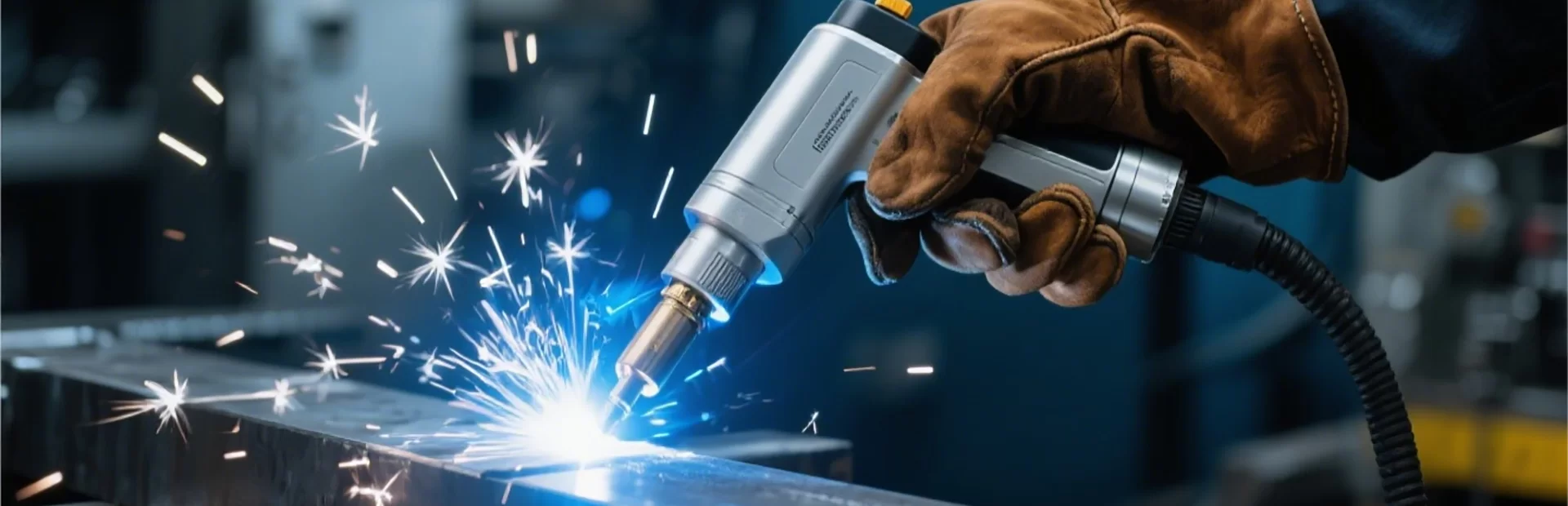
In automotive manufacturing, laser welding machines play a crucial role in multiple aspects. For the production of engine components, high – precision and high – strength welding is required. Engine parts such as cylinder heads and crankshafts need to be welded with great accuracy to ensure proper functionality and durability. Laser welding can achieve fine and strong welds, minimizing the risk of leakage and mechanical failures. For the body – in – white construction, laser welding is used to join different steel or aluminum alloy panels. This helps in creating a lightweight yet rigid structure, improving fuel efficiency and vehicle safety. Welding the roof to the side panels or the floor pan components demands both speed and quality, which laser welding can effectively provide.
Electronic Device Manufacturing
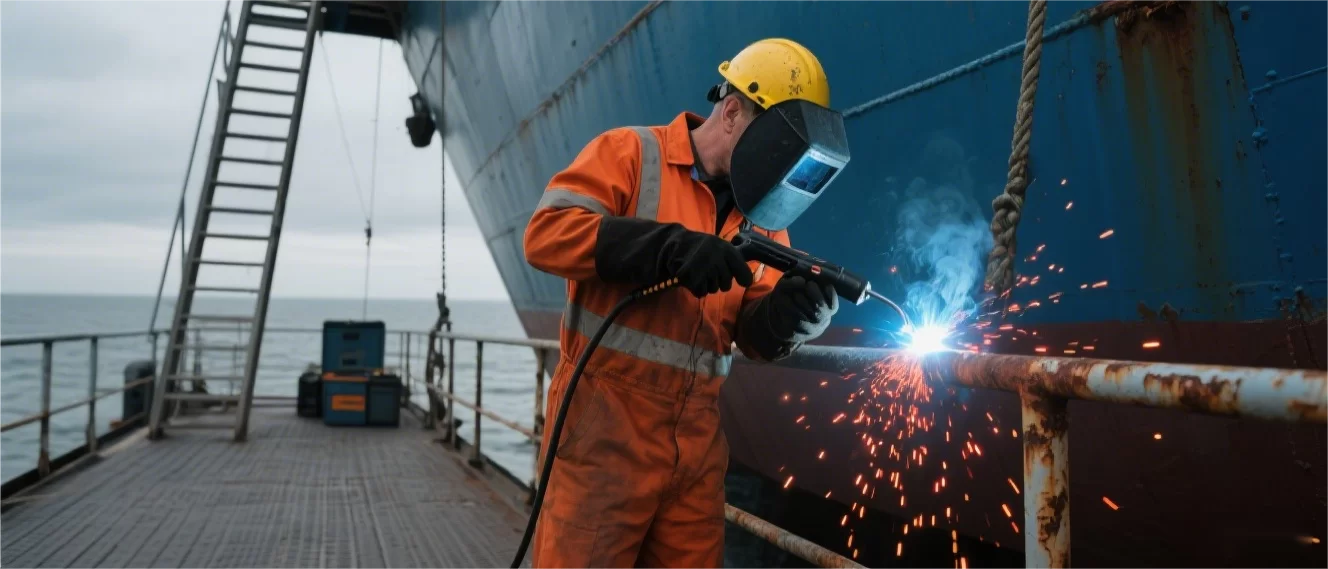
When it comes to manufacturing electronic devices like smartphones, laptops, and tablets, laser welding is employed for joining internal metal components. For instance, the connection of circuit board components, battery contacts, and metal casings. The small size and delicate nature of these components require a welding method that causes minimal heat damage to the surrounding areas. Laser welding's ability to deliver high – energy density in a precise spot makes it an ideal choice. It can create reliable electrical connections and ensure the structural integrity of the device without affecting the functionality of adjacent electronic elements.
Machinery and Equipment Manufacturing
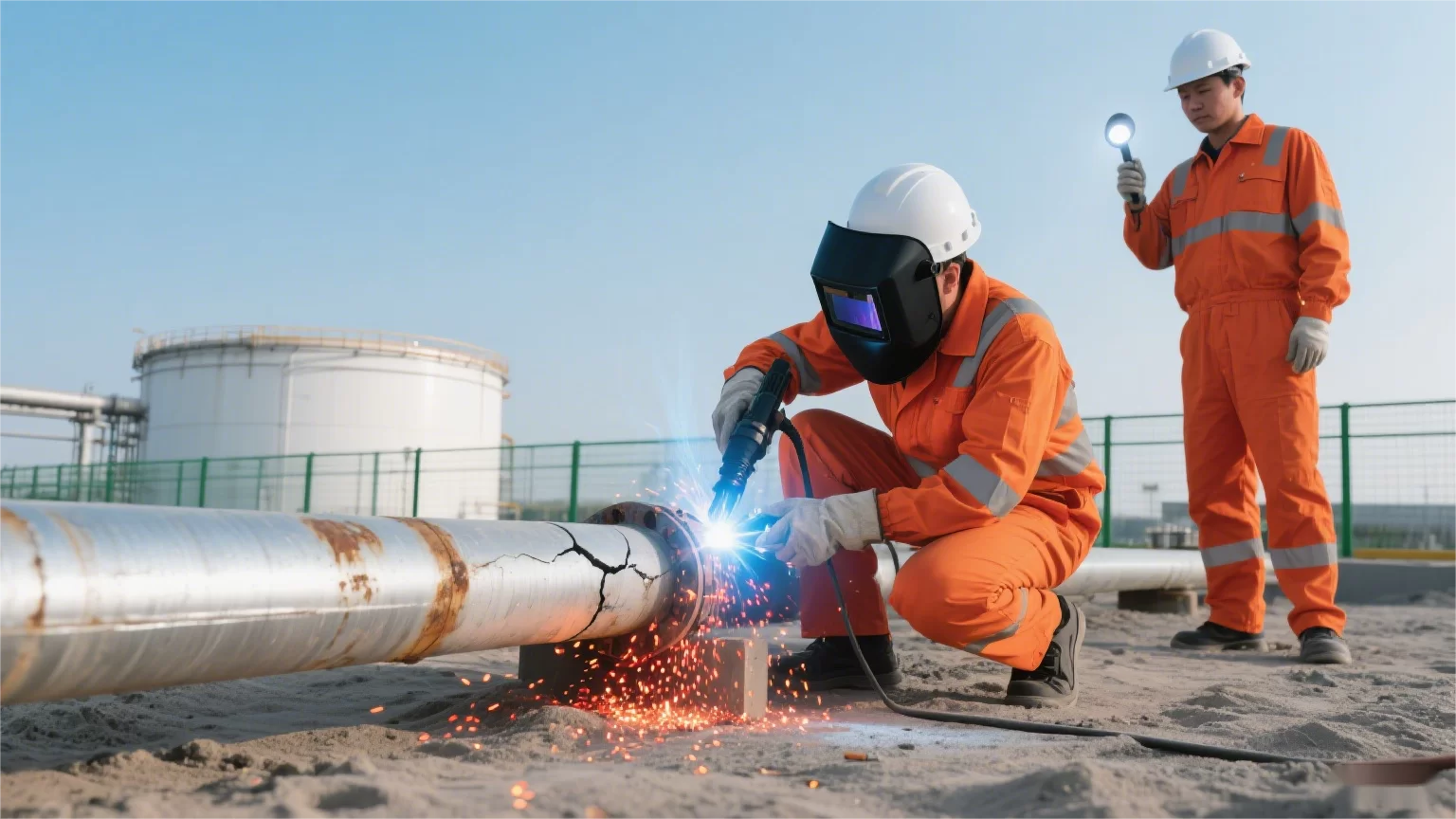
In the production of industrial machinery and equipment, laser welding is used for fabricating large – scale metal structures and components. For example, in the manufacturing of heavy – duty construction machinery, such as excavators and bulldozers, laser welding is used to join thick metal plates for the main frames and boom arms. This provides the necessary strength and stability for these machines to operate under extreme conditions. In the case of precision machinery like CNC machine tools, laser welding is used for assembling small and high – precision parts, ensuring accurate alignment and smooth operation.
1. Handheld Laser Welding Machine
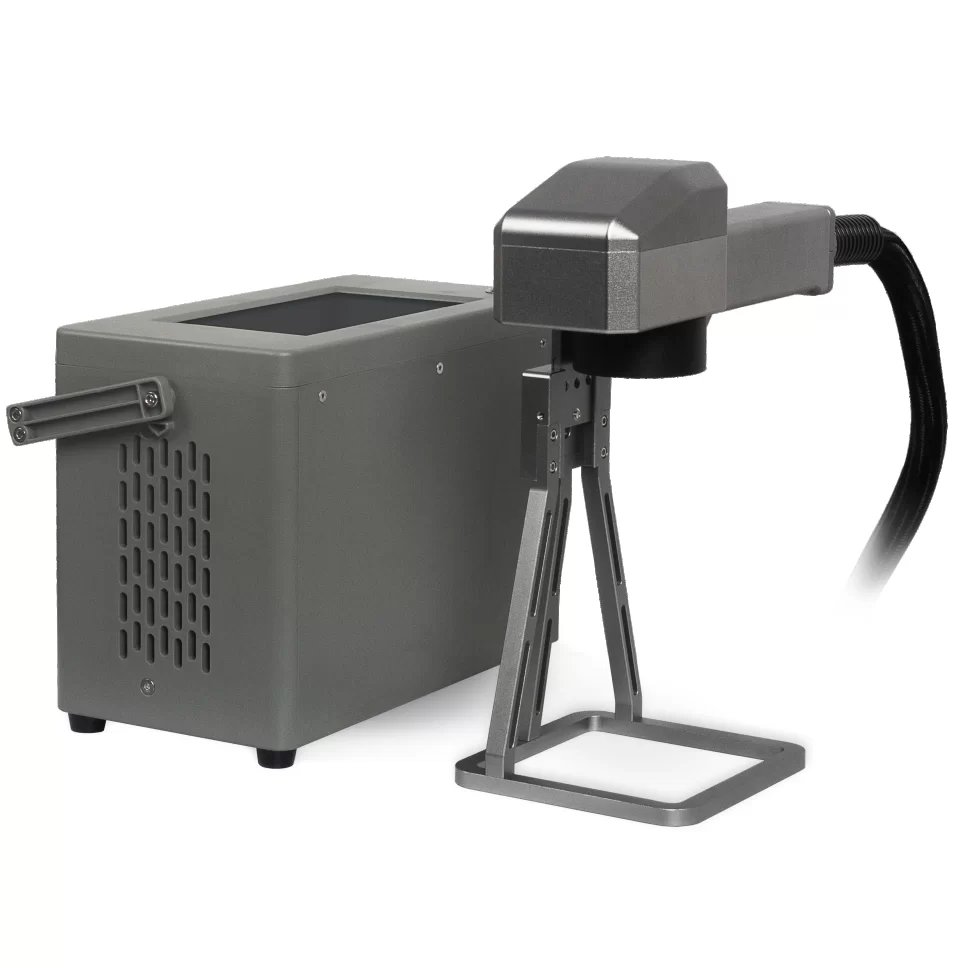
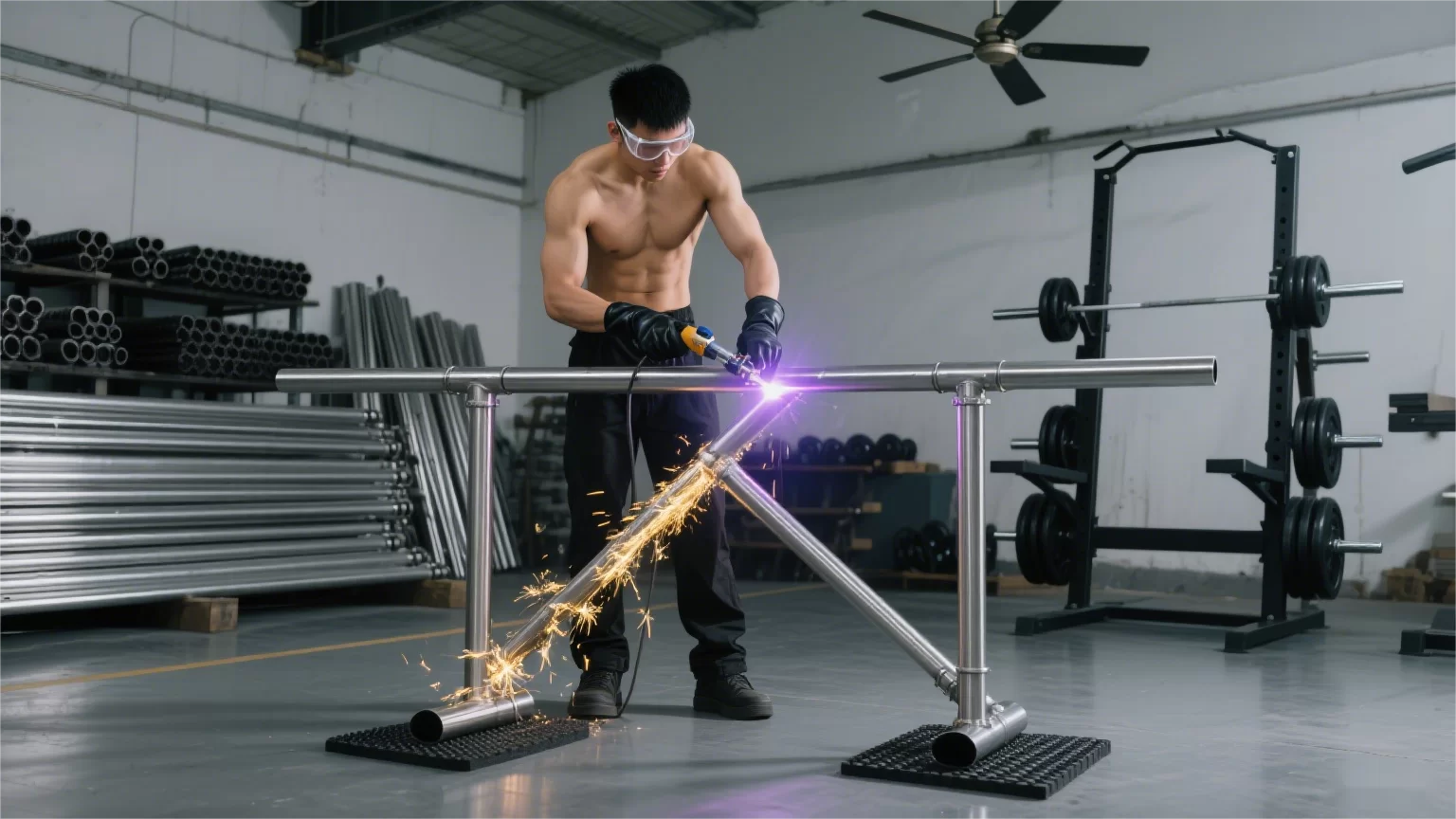
The handheld laser welding machine offers high flexibility. It is suitable for on – site repair and maintenance tasks in the manufacturing industry. For example, when a part of an automotive production line breaks down and requires immediate welding repair, technicians can quickly bring the handheld laser welding machine to the site and perform the welding operation. In small – batch production or prototyping, where the welding tasks may vary in location and complexity, the handheld laser welding machine allows operators to adapt to different situations easily. However, its welding precision depends largely on the operator's skill level, and the welding speed is relatively slow. So, it is not recommended for large – scale, high – volume production with strict precision requirements. When you need to make quick repairs on the go or deal with small – scale, non – standardized welding jobs in a manufacturing environment, the handheld laser welding machine is the way to go.
2. Automatic Platform Laser Welding Machine
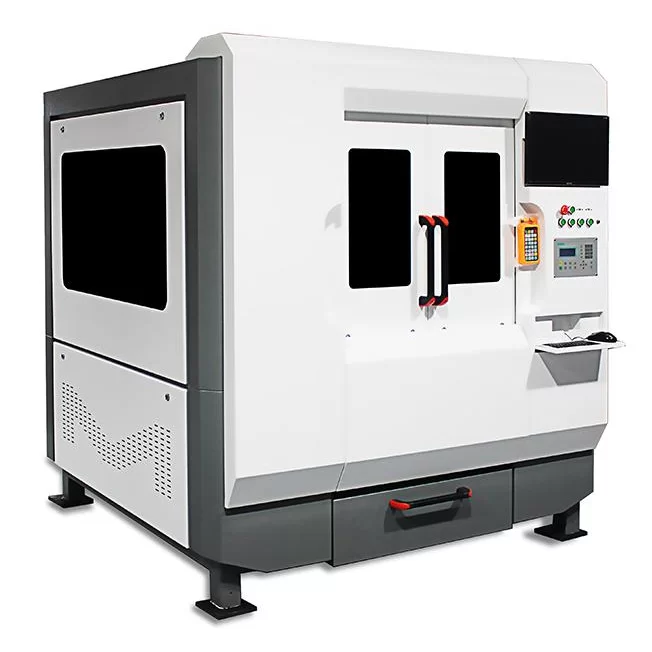
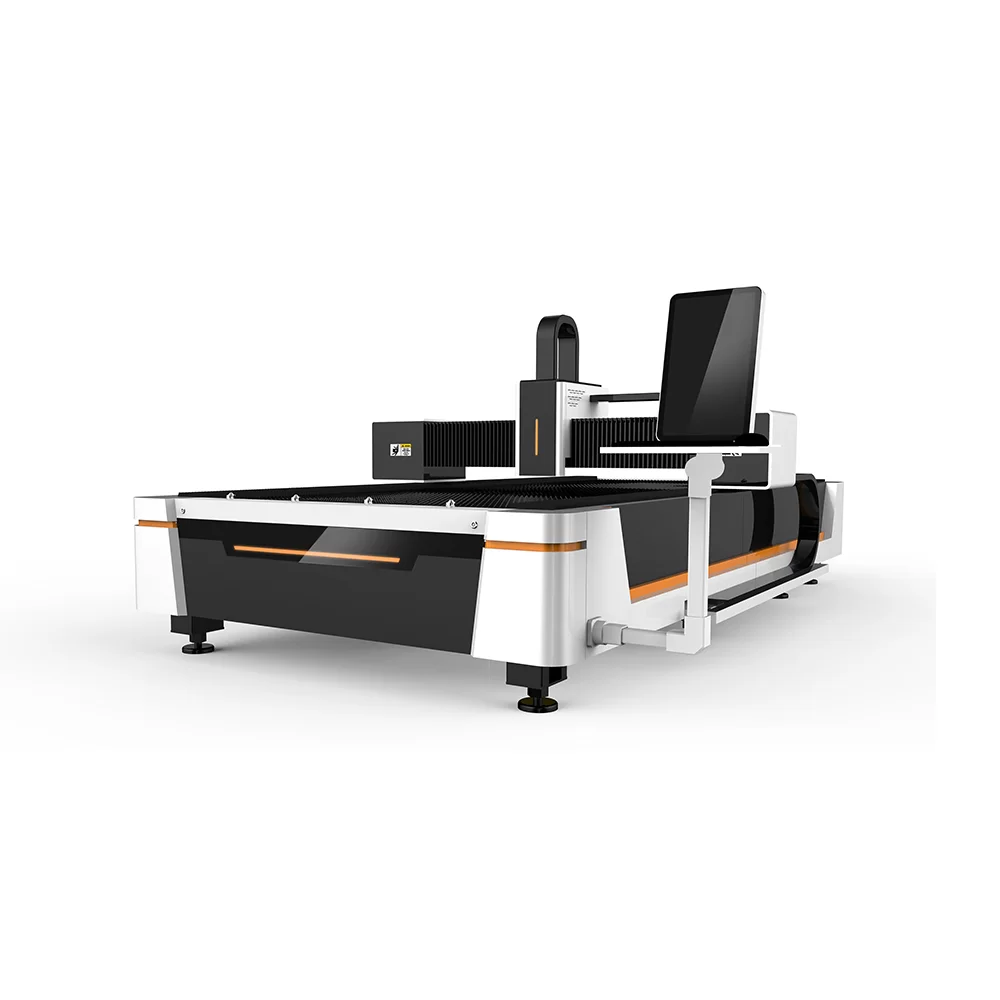
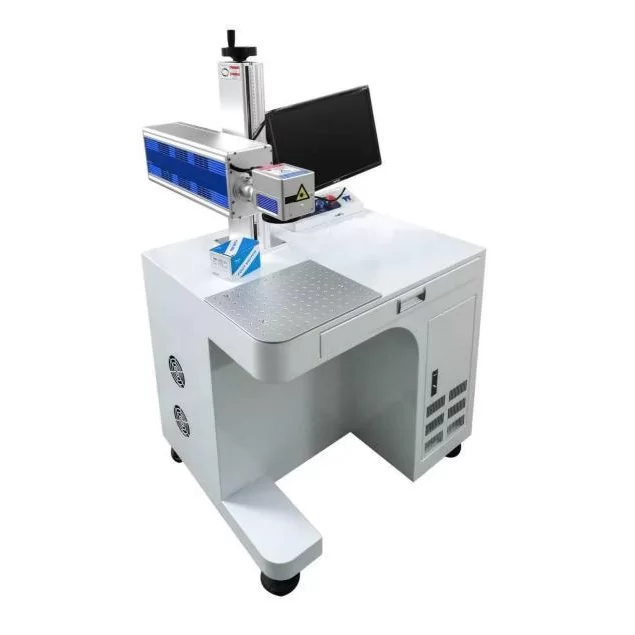
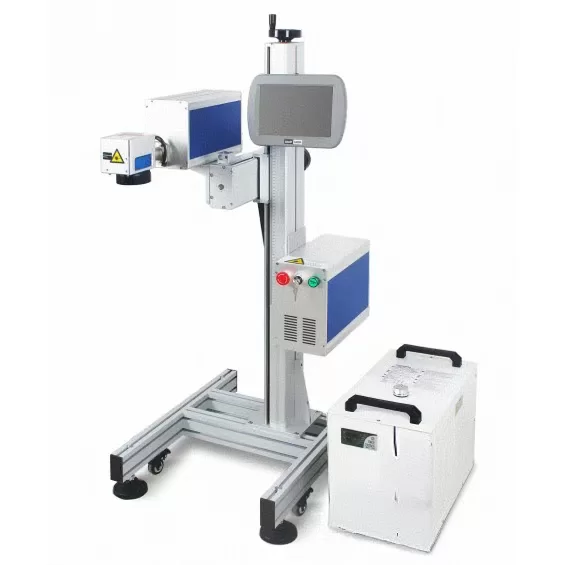
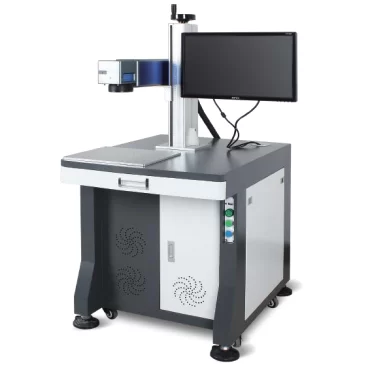
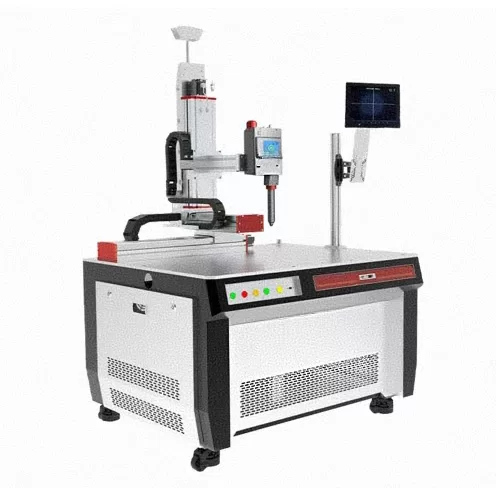
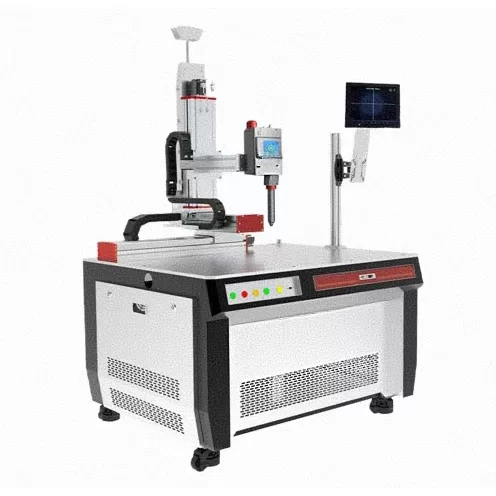
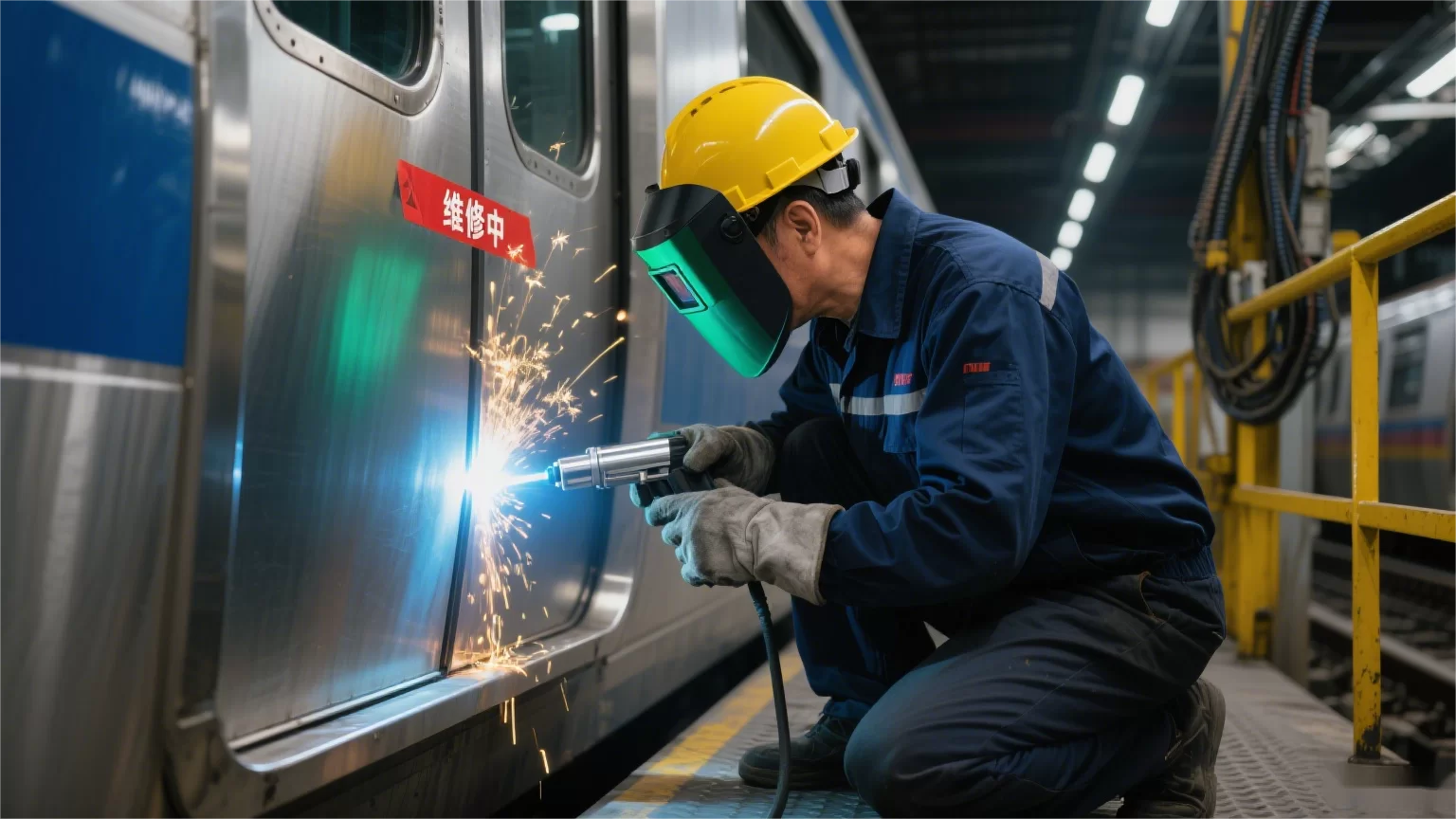
The automatic platform laser welding machine is designed for large – scale, standardized production. In automotive body – in – white production lines, where thousands of identical welding tasks need to be carried out with high precision and consistency, the automatic platform laser welding machine shines. It can be programmed to follow specific welding paths and parameters, ensuring that each weld is of the same high quality. By using fixtures and conveyors, it can handle a continuous flow of workpieces, greatly improving production efficiency. But it lacks flexibility when dealing with irregularly shaped or non – standard workpieces. If your manufacturing process involves mass – producing standardized parts with relatively simple geometries and requires high – speed, high – precision welding, the automatic platform laser welding machine is the optimal choice.
3. Robot Arm Welding Machine
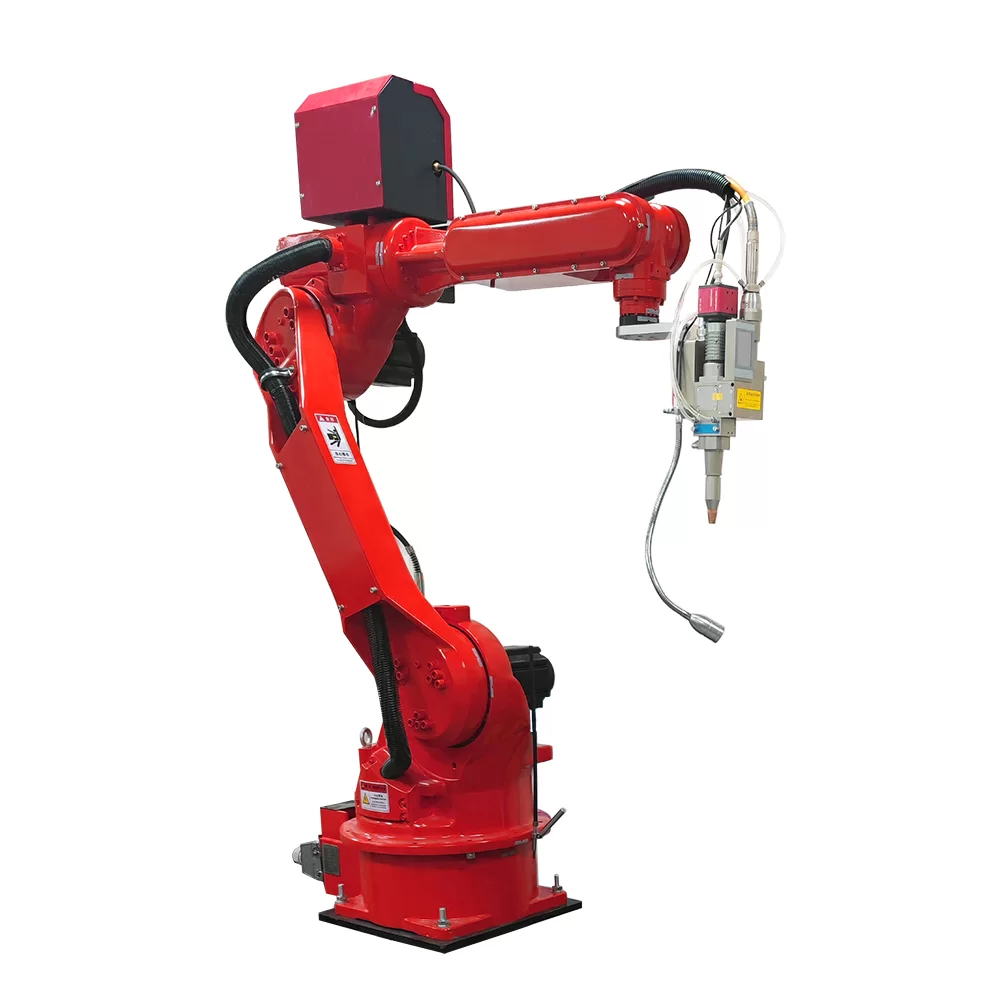
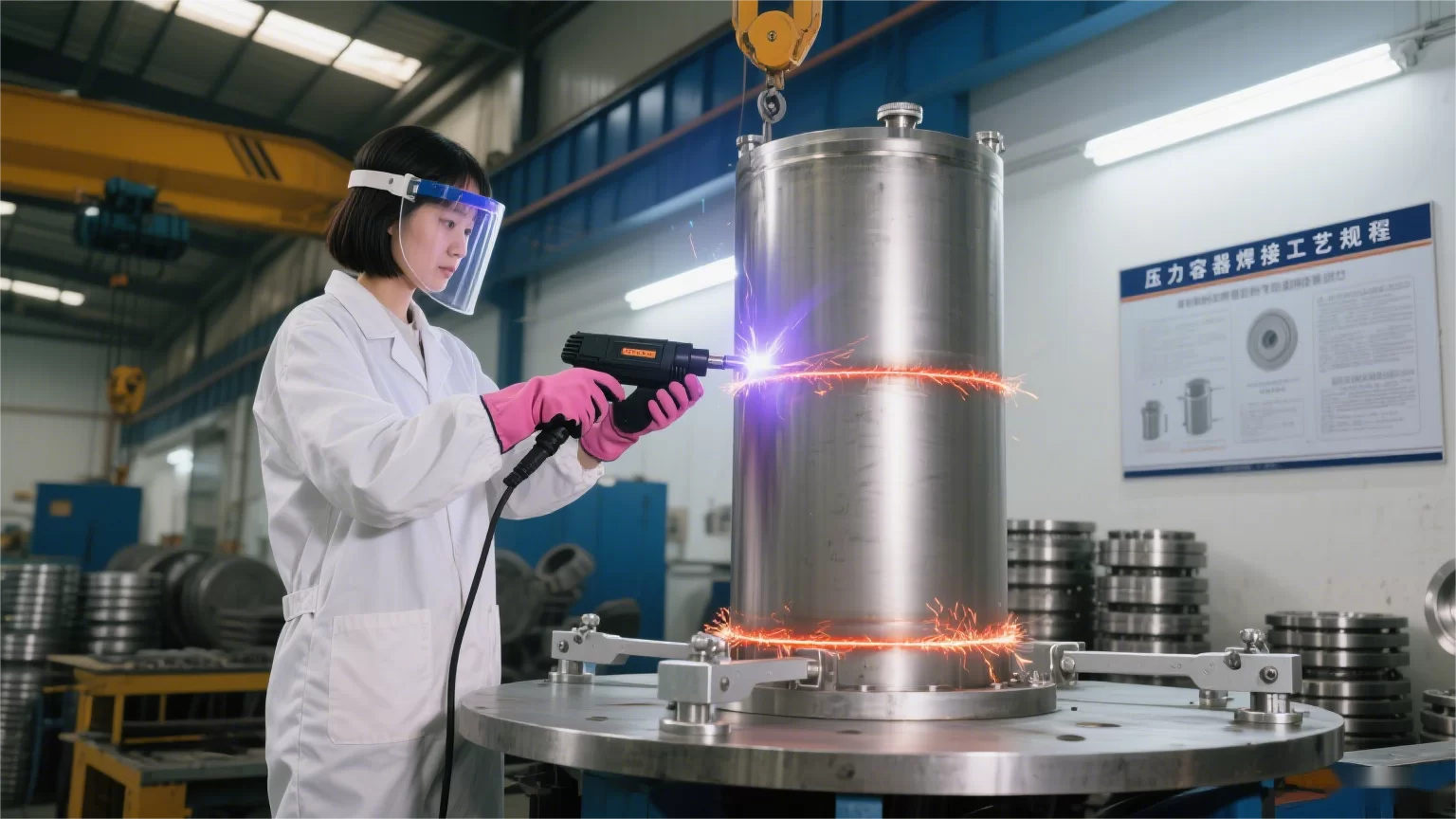
The robot arm welding machine combines flexibility and automation. It can move freely in three – dimensional space, making it ideal for welding complex – shaped workpieces. In the manufacturing of aerospace components or high – end machinery with intricate geometries, the robot arm can be programmed to follow the exact contours of the parts, ensuring perfect welds. It can also be quickly reprogrammed to adapt to different production tasks, providing a high degree of versatility. Although it has a relatively high initial cost and requires skilled programming and maintenance, for manufacturing processes that involve welding complex parts with changing production requirements, the robot arm welding machine is the most suitable option.