Shijiazhuang Topstar
International Trading Co., Ltd.
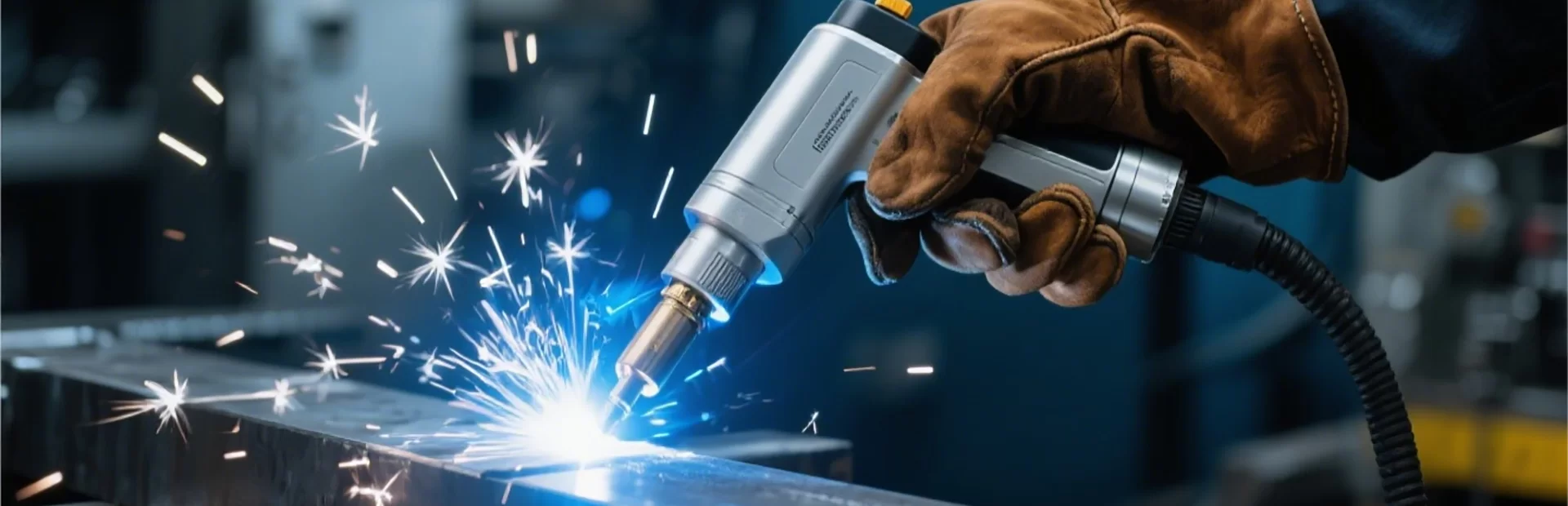
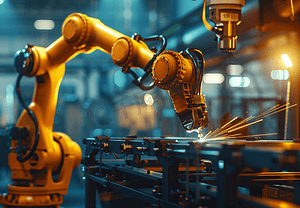
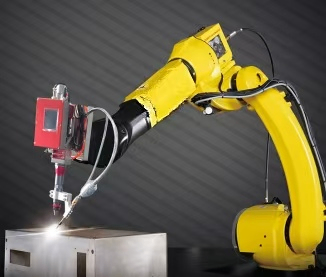
The robot arm welding machine is a highly automated welding system. Its core is a multi-jointed industrial robotic arm with a welding tool (welding gun) mounted on the end of the arm. This system, controlled by computer programming, can automatically perform precise, repetitive welding tasks, making it suitable for large-scale, high-quality production environments.
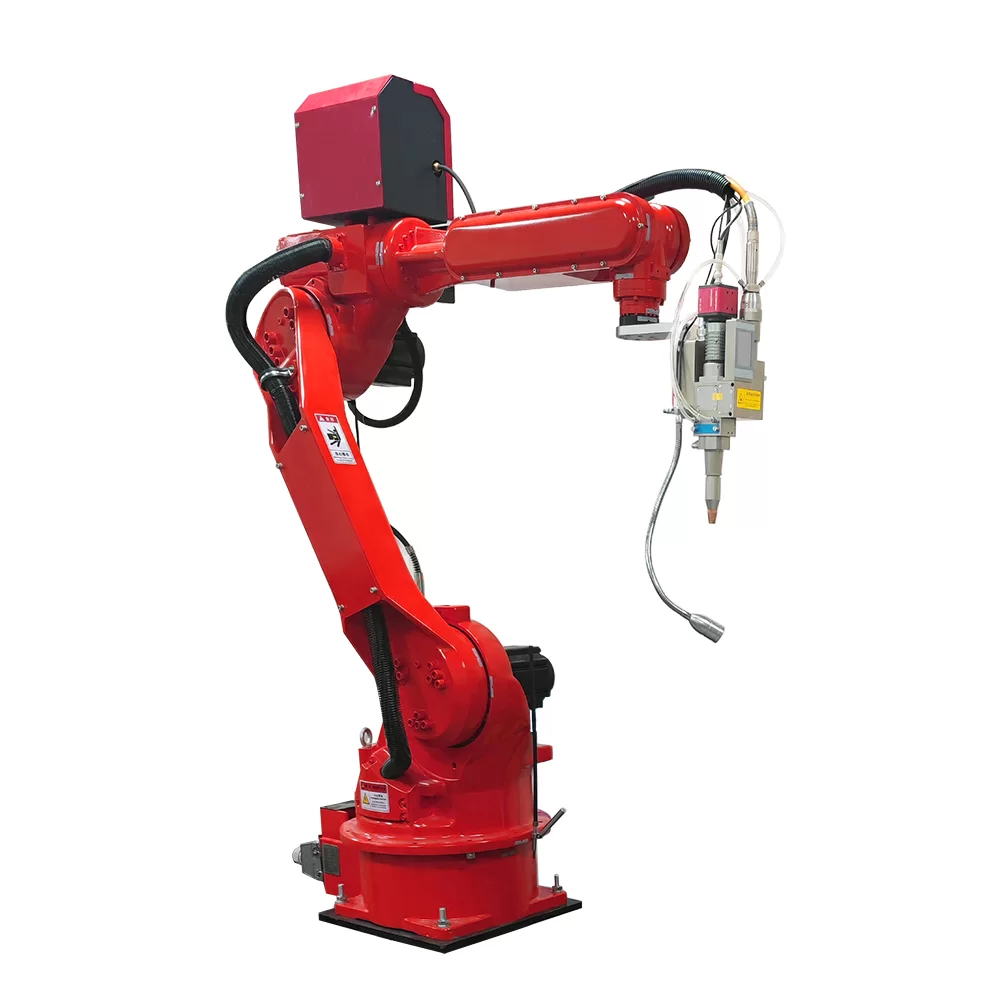
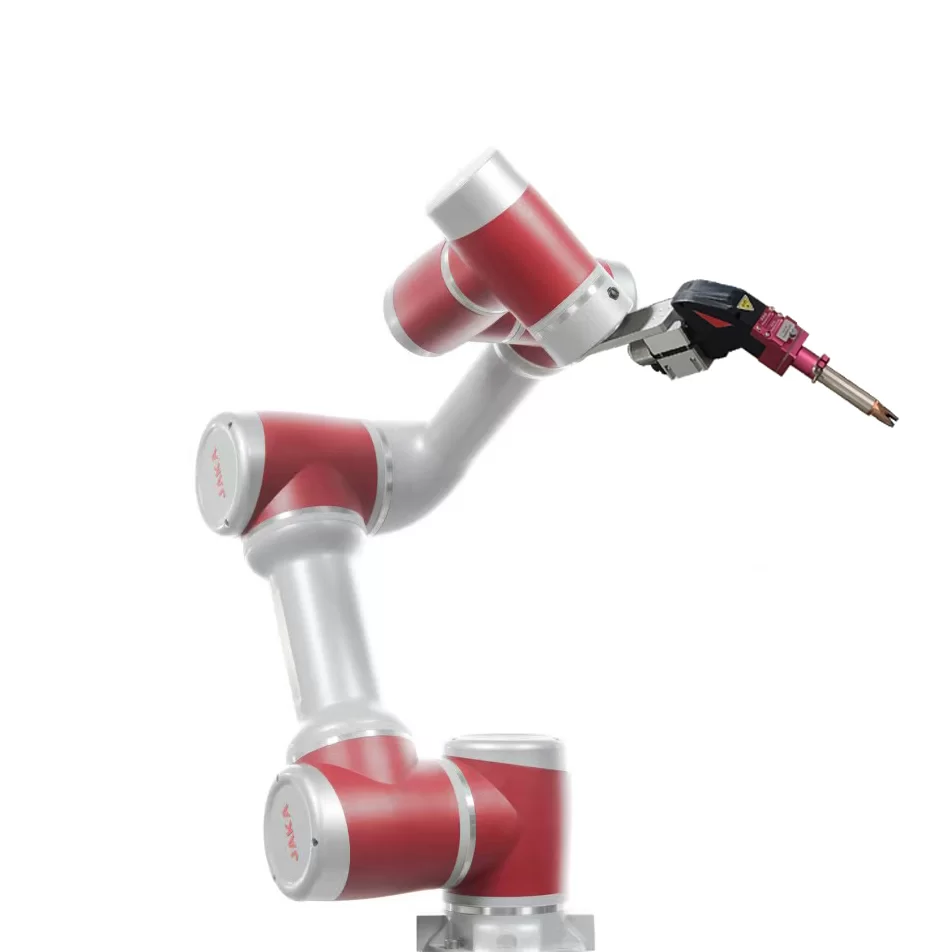

The robot arm welding machine use flexible arms to complete welding of complex three-dimensional paths at fixed workstations. They are indispensable core equipment for industries that require welding complex three-dimensional structures and pursue high output and high consistency.
1. Extremely High Production Efficiency and Stability
(1) Able to operate 24/7, the welding speed remains stable, far exceeding manual welding, significantly increasing productivity.
(2) Without human interference, the production cycle remains constant, simplifying overall line management.
2. Excellent and Consistent Welding Quality
(1)The robot's precise and repetitive movements eliminate the impact of manual skill fluctuations, fatigue, and emotion, ensuring uniform, beautiful, and high-quality welds on every product.
3. Unparalleled Flexibility and Versatility
(1) By replacing fixtures and reprogramming, the same robotic welding line can quickly adapt to the production of different products, making it ideal for flexible manufacturing models requiring high-mix, low-volume production.
4. Reduced Long-Term Costs
(1) Although the initial investment is high, the long-term cost reduction significantly reduces the need for skilled welders, lowering labor and management costs.
(2) Reduced rework and scrap rates reduce material costs.
5. Improved Working Environment
(1) Workers are freed from hazardous welding fumes, strong light, and high temperatures, freeing them to engage in higher-value tasks such as equipment monitoring and maintenance, fulfilling their corporate social responsibility.
1.Automotive Manufacturing
The largest user. Used for welding nearly all components, including the body, chassis, suspension, and exhaust pipes. The body-in-white production line exemplifies high automation.
2.Construction Machinery
Welding of large structural components, such as excavators, cranes, and loaders, requires high strength.
3.Rail Transportation
Welding of the frames and skins of high-speed rail and subway cars.
4.Aerospace
Welding of engine components and aircraft structures, which require extremely high quality and reliability.
5.Metal Furniture
Mass production of steel office furniture and household items.
6.Home Appliance Industry
Washing machine drums, refrigerator brackets, air conditioning compressors, etc.
Shipbuilding Industry
Although automation is challenging, it is gradually being applied to segmented welding.
Model | CBR5 |
Payload | 5kg |
Working radius | 919mm |
Weight | About 16.5kg |
Number of axis | 6 |
MTBF | >80000h |
Power supply | 48VDC |
Programming | Drag teaching, graphical interface |
Power consumption | 225w |
Safety | More than 21 adjustable safety features including collision detection,virtual well, collaboration mode,etc |
Repeatability | ±0.03 mm |
Maximum speed of the tool end | <2.0m> |