SHIJIAZHUANG TOPSTAR INTERNATIONAL TRADING CO., LTD.
Shijiazhuang Topstar
International Trading Co., Ltd.
Get In Touch
welded wire mesh machine factory

Air Compressor

Air Compressor
Air compressors are essential equipment in modern industries, providing reliable and efficient compressed air for a wide range of applications. They can be categorized in multiple ways to suit different operational requirements and industrial scenarios.
From a working principle perspective, air compressors are divided into positive displacement and dynamic types. Positive displacement compressors work by reducing the volume of air, delivering a consistent flow at varying pressures. Dynamic compressors, on the other hand, use high-speed impellers to impart kinetic energy to the air, achieving rapid compression suitable for high-flow applications.
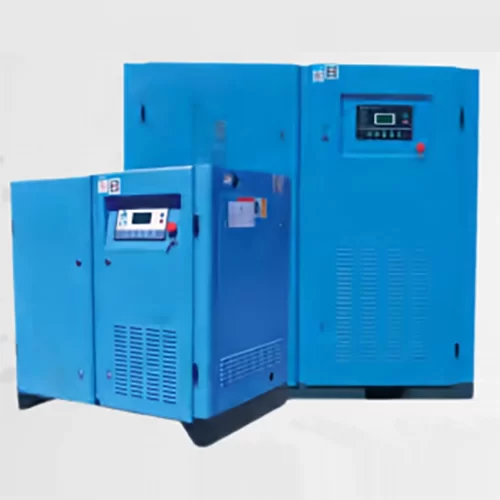
In terms of structural design, air compressors include reciprocating, rotary screw, scroll, and centrifugal types. Reciprocating compressors are ideal for high-pressure, low-flow applications, offering durability and precision. Rotary screw compressors provide continuous, smooth airflow, making them suitable for industrial production lines. Scroll compressors deliver quiet operation and energy efficiency for smaller-scale needs, while centrifugal compressors excel in high-capacity, continuous operations such as large factories or processing plants.
Pressure classification divides compressors into low, medium, and high-pressure units, allowing selection based on specific operational requirements. Similarly, flow rate categorization—small, medium, and large—ensures the right amount of compressed air is delivered efficiently to equipment and tools.
Finally, air compressors are classified by lubrication type: oil-lubricated for heavy-duty, long-term use, and oil-free for applications requiring clean, contaminant-free air, such as food, pharmaceutical, and electronics industries.
By understanding these classifications, industries can choose the most suitable air compressor to optimize performance, reduce energy consumption, and ensure reliable operation. At Topstar, we provide a wide range of air compressors to meet diverse industrial demands, combining precision, efficiency, and durability in every solution.


How to Choose the Right Size Air Compressor

Choosing the right size air compressor is critical for ensuring optimal performance, energy efficiency, and long-term reliability in both industrial and workshop applications. An undersized compressor may struggle to meet demand, while an oversized unit can lead to wasted energy and unnecessary costs. To determine the correct size, several factors must be considered.
1. Determine Your Airflow Requirements: The first step is to calculate the total air consumption of all tools and equipment that will be powered by the compressor. Airflow is usually measured in cubic feet per minute (CFM) or liters per minute (L/min). For intermittent tool use, the required airflow may be lower, while continuous operation demands a compressor with higher capacity. Be sure to account for peak usage and add a safety margin to avoid underperformance.
2. Assess the Required Pressure: The operating pressure, measured in pounds per square inch (PSI) or bar, is another crucial factor. Different tools and processes require specific pressure levels. Ensure the selected compressor can provide consistent pressure that meets the highest requirements among your equipment, without overloading the system.
3. Consider the Duty Cycle: The duty cycle indicates how long a compressor can run before needing to rest. A high-duty-cycle compressor is necessary for continuous operations, whereas lower-duty-cycle models are suitable for occasional or intermittent use. Choosing the right duty cycle helps prevent overheating and extends the machine’s lifespan.
4. Evaluate Tank Size: The air tank stores compressed air and helps maintain stable pressure. Larger tanks are beneficial for tools with high intermittent demand, as they reduce the number of starts and stops, which minimizes wear on the motor. However, for continuous-demand applications, tank size is less critical than airflow capacity.
5. Match Compressor Type to Application: Reciprocating (piston) compressors are often sufficient for low- to medium-flow applications, while rotary screw and centrifugal compressors are ideal for high-flow, industrial requirements. Oil-free compressors are necessary for clean-air applications, such as food, medical, or electronics industries, whereas oil-lubricated compressors are suitable for heavy-duty industrial use.
6. Factor in Future Needs: Consider potential expansion or additional tools in the future. Selecting a slightly larger compressor than your current needs can provide flexibility and prevent frequent upgrades.
By carefully evaluating airflow, pressure, duty cycle, tank size, and application type, you can choose an air compressor that balances performance, efficiency, and durability. A properly sized compressor ensures consistent operation, reduces energy costs, and supports reliable productivity across all industrial or workshop processes.
Unlock your project’s potential—get a quote.

Reliable air compressor function provides stable, energy-efficient compressed air for industrial and workshop applications.

Get Started
Subscribe to Our Newsletter
Your E-mail Address
Subscribe Now

If you are interested in our products, you can choose to leave your information here, and we will be in touch with you shortly.