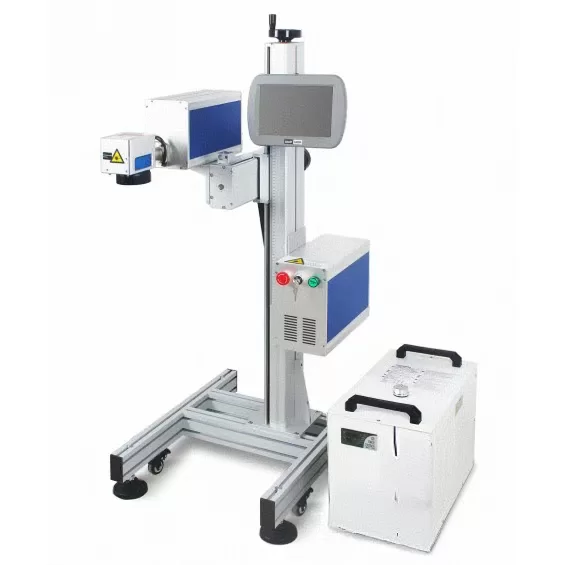
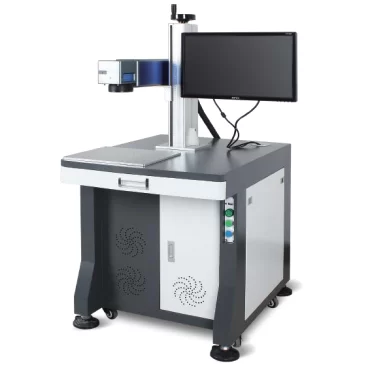
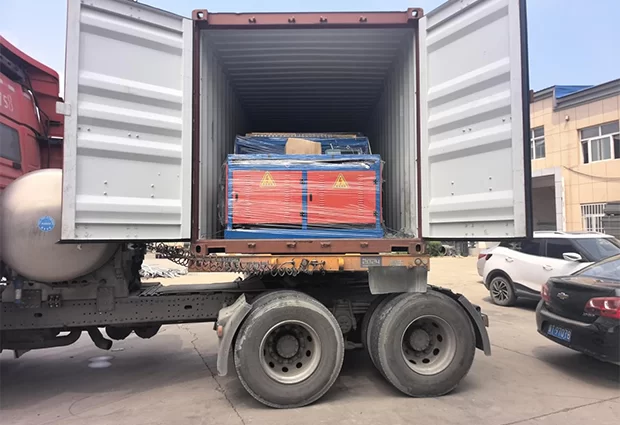
Laser Marking Machine
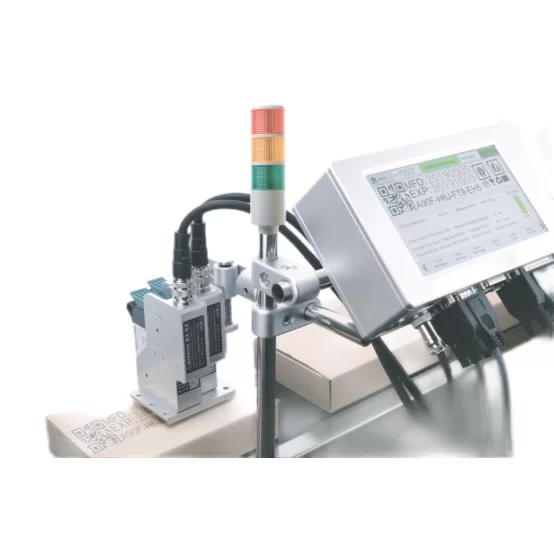
At Shijiazhuang Topstar International Trading Co., Ltd, we offer a wide range of printer machines designed to meet diverse industrial and commercial printing needs. Among our most popular products is the ink printer, renowned for its ease of operation and versatility. This printer is ideal for various materials, delivering clear, vibrant prints with minimal setup and user-friendly controls, making it a preferred choice for businesses seeking efficiency and reliability.
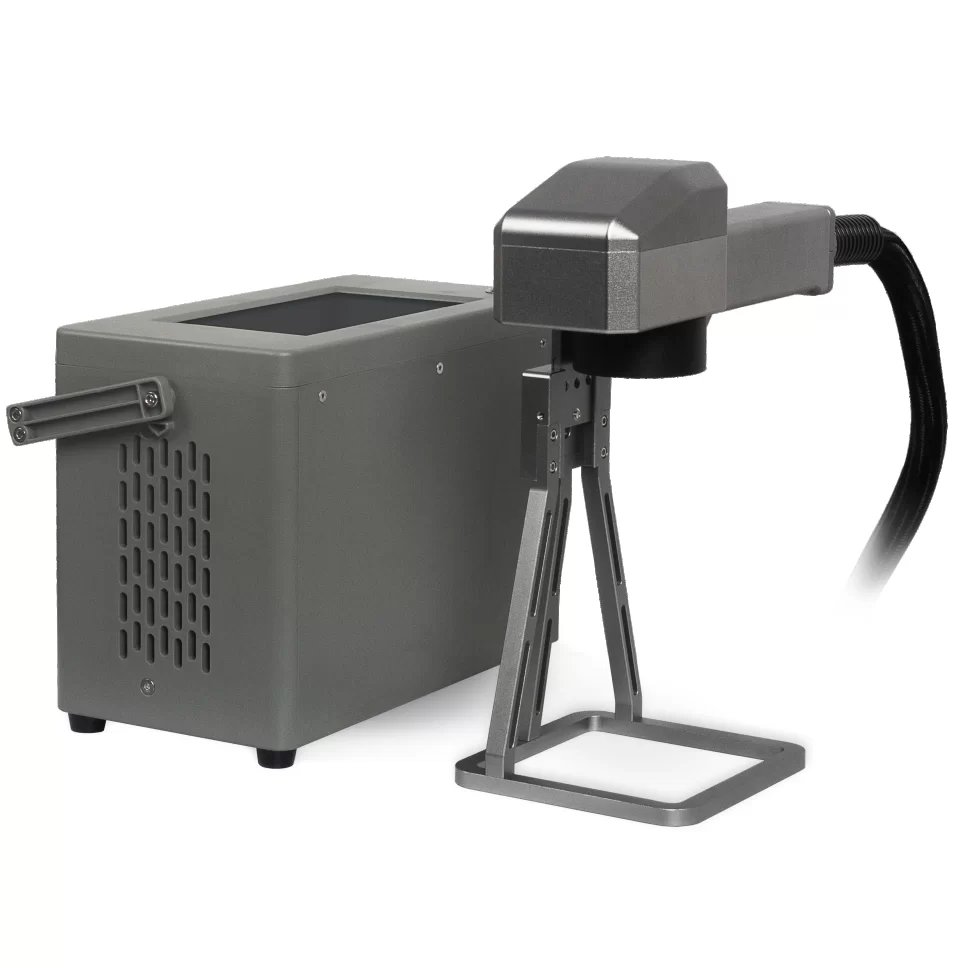
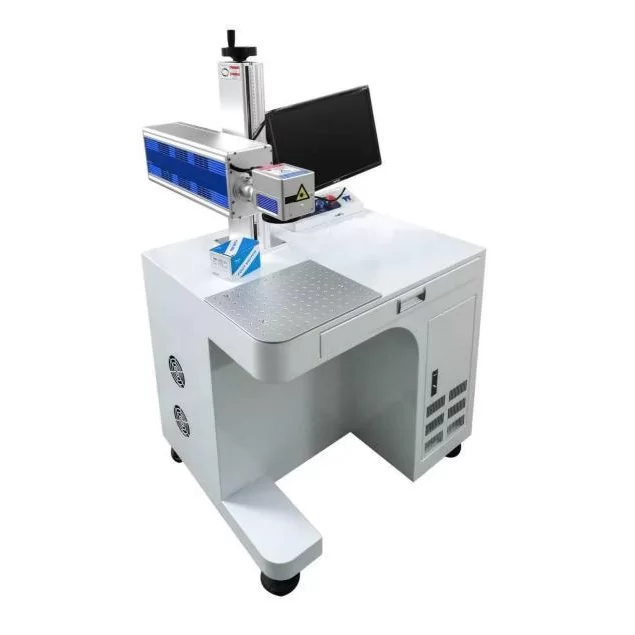
In addition to ink printers, we provide laser printer machines, which are designed for high-precision and fast printing. These printers are perfect for industries that require sharp, consistent, and durable prints on multiple surfaces. Their efficiency makes them suitable for both small-scale and high-volume production, ensuring excellent output quality while reducing operational time.
For more advanced applications, we also offer UV laser printer machines, which allow printing on virtually any smooth surface, including metals, plastics, glass, and ceramics. The UV laser technology provides high-resolution, permanent markings that resist fading, scratching, or wear, making it ideal for industrial, promotional, and customized printing projects. With UV laser printers, clients can achieve professional-quality results even on complex or unconventional materials, expanding the possibilities for creative and functional applications.
Our diverse printer machine offerings provide flexibility, precision, and reliability for a wide range of industries. Whether you need a simple, easy-to-use ink printer for everyday tasks, a laser printer for high-precision marking, or a UV laser printer for specialized surfaces, we deliver solutions tailored to your requirements.
At Topstar, we combine cutting-edge technology with practical solutions, ensuring that every printer we supply meets international quality standards. From operational efficiency to product durability, our printers empower businesses to streamline their printing processes, enhance productivity, and achieve superior results across all projects.
Laser Marking Machine Working Principle
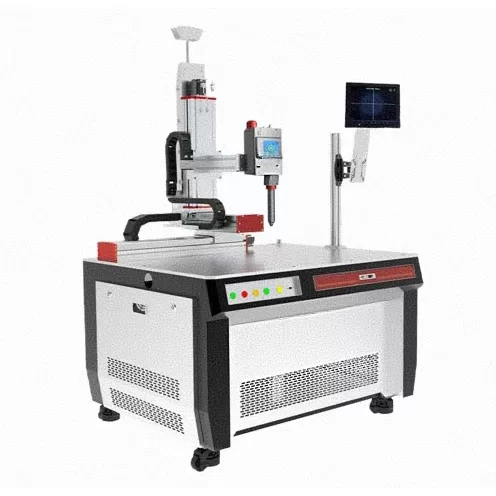
A laser marking machine is a precise industrial device used to create permanent markings on various materials such as metals, plastics, ceramics, and glass. Unlike traditional marking methods, laser marking does not rely on inks or physical contact, offering high precision, durability, and speed. Understanding its working principle helps explain why it has become an essential tool in manufacturing, electronics, and packaging industries.
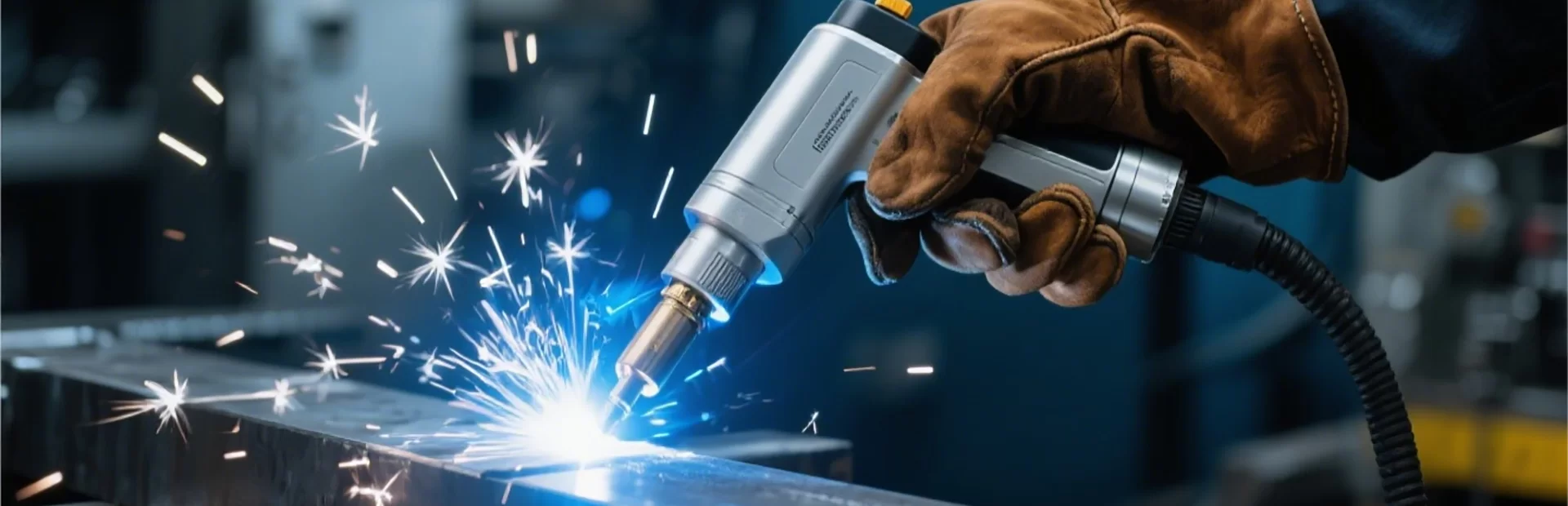
The working principle of a laser marking machine is based on high-energy laser beam interaction with the material’s surface. The machine generates a laser beam through a laser source, which can be a fiber laser, CO₂ laser, or UV laser, depending on the application. This laser beam is then directed and focused onto the target surface using a system of mirrors and lenses. By concentrating energy on a very small area, the laser locally heats, melts, or vaporizes the material to create a visible mark.
There are several types of laser marking effects depending on the material and the desired outcome. Etching or engraving removes a thin layer of material, producing a recessed mark. Annealing, mainly used for metals, changes the surface color without cutting into the material, creating high-contrast marks. Carbonization or foaming is often used on plastics, where the laser transforms the material into a darker shade for clear identification. Each method relies on precise control of laser parameters such as power, pulse frequency, speed, and focus.
The machine is typically controlled by computer software, which converts the desired design, text, or code into a set of instructions for the laser scanner system. The scanner head, usually equipped with galvanometer mirrors, rapidly moves the laser beam across the surface in a programmed pattern. This allows for highly accurate, complex, and repeatable markings.
Key advantages of this principle include contactless operation, reducing wear and tear on the machine and the material; high precision, enabling micro-sized markings; and permanence, ensuring marks resist abrasion, chemicals, and heat. Because of this, laser marking machines are widely used for serial numbers, barcodes, logos, QR codes, and safety markings across industries such as electronics, automotive, medical devices, and jewelry.
In summary, the laser marking machine works by focusing a high-energy laser beam onto a material, altering its surface through heat, vaporization, or chemical change. This technology combines precision, efficiency, and versatility, making it an indispensable tool for modern industrial marking and traceability.